I can’t sew.
What I can do is replace a button or do a minor seam repair that lasts but looks awful.
I have no idea how a sewing machine works.
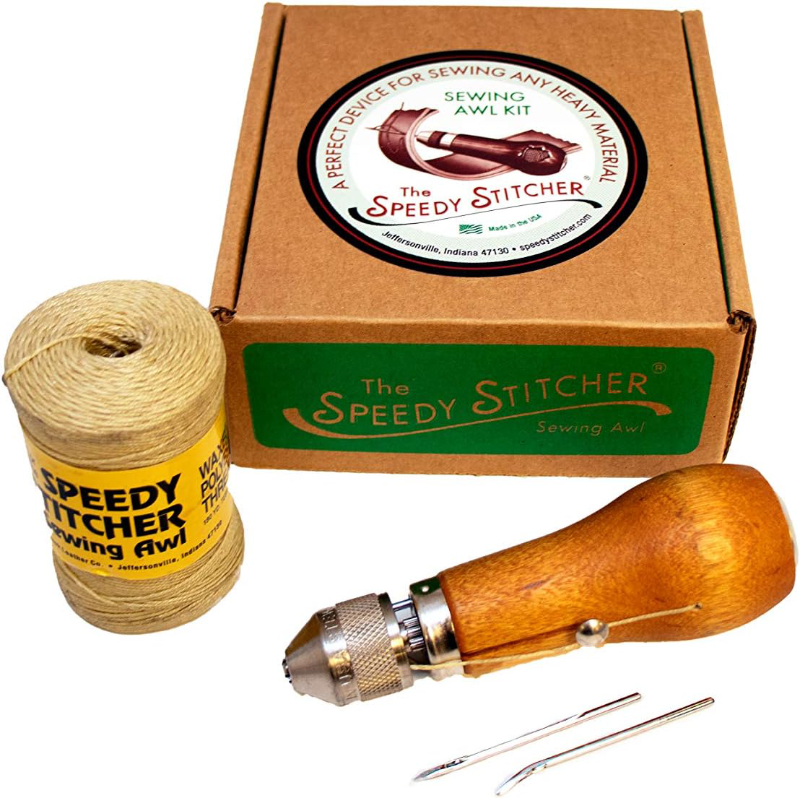
However, I can repair most of my backpacking gear, which usually requires a large needle and robust thread. I can do these repairs with the Speedy Stitcher that I bought decades ago.
This website may be compensated for linking to other sites for sales of products. As an Amazon Associate I earn a small fee from qualifying purchases at no additional cost to the purchaser.
Out of Sight, Out of Mind
The Speedy Stitcher is something that I don’t often use. I buy (or at least try to) quality gear. Hopefully, the gear lasts, but sometimes things break or get damaged. A few months ago, I found myself with some damaged webbing on one of my McHale backpacks (my fault) and a duffle bag whose zipper had separated from the main material, which was a defect in workmanship on the part of the manufacturer. Anyway, it was time for some repair work.
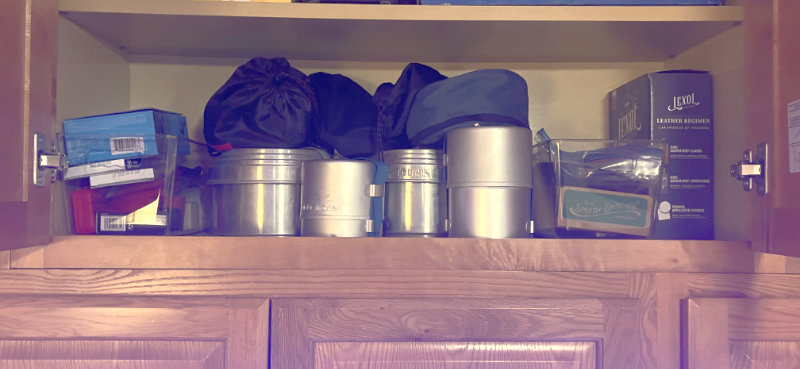
The only thing was, I couldn’t remember where I put my Speedy Stitcher. It used to be in my large roll-away toolbox in the garage. It wasn’t there.
Aha! I remember, I had moved some gear and maintenance stuff to a cabinet in my office.
Backpack Repair
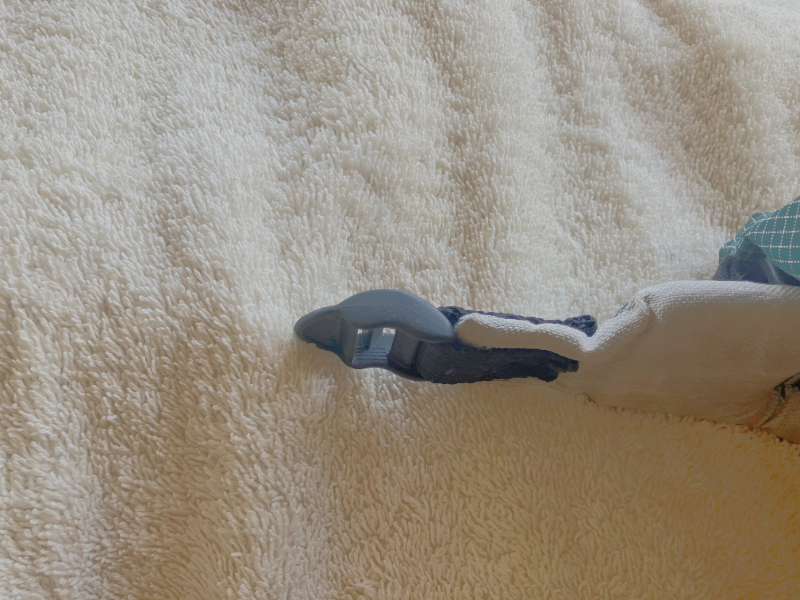
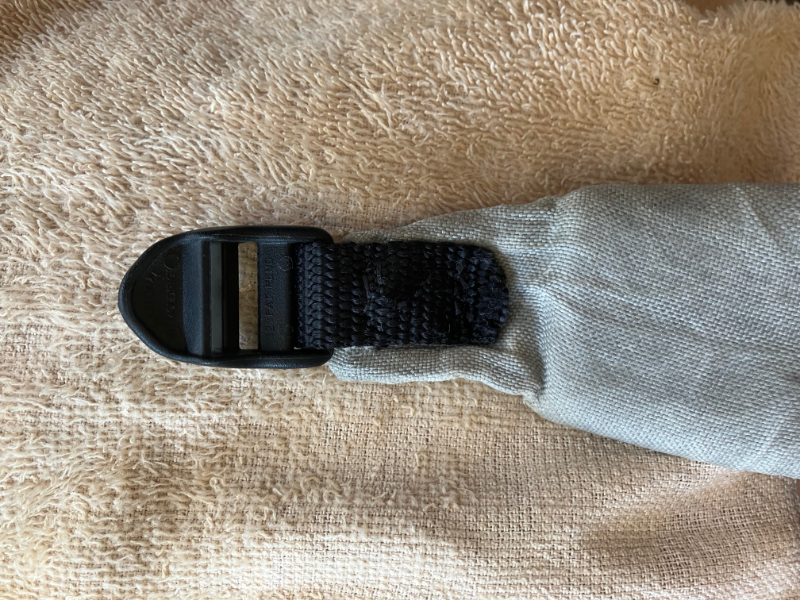
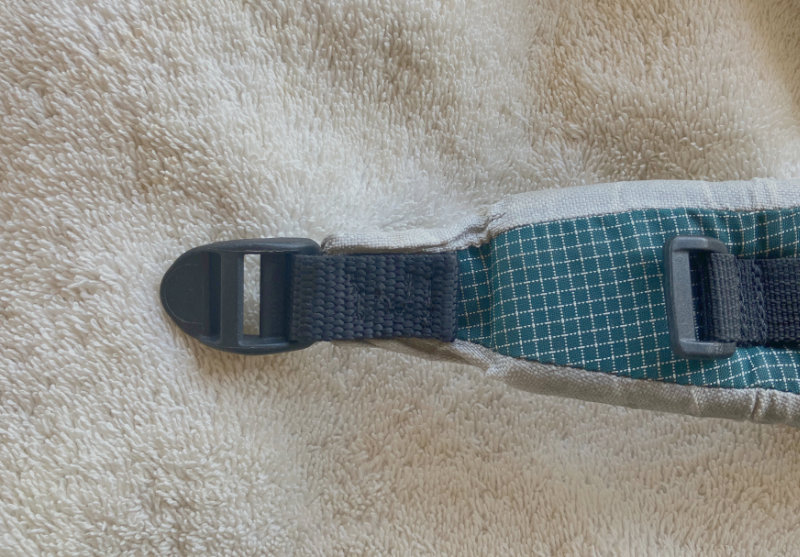
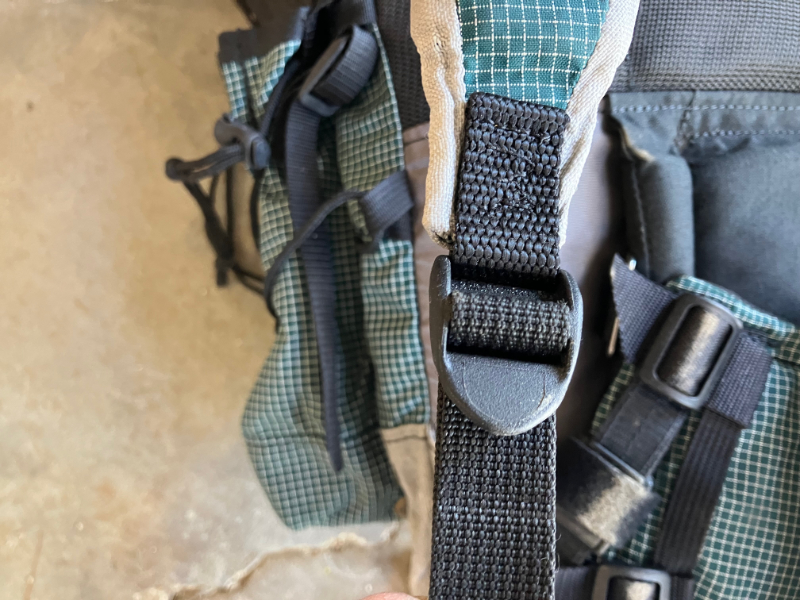
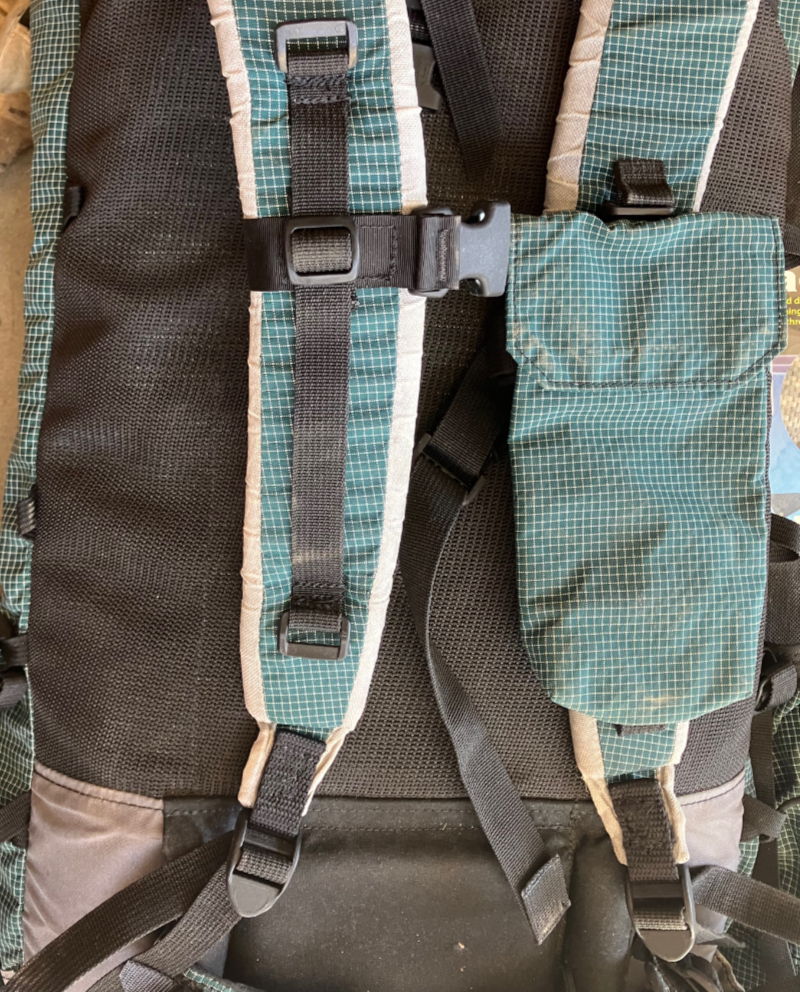
I needed to replace the nylon webbing that attaches a buckle to the bottom of one of the shoulder straps. The new webbing would need to be folded over on one side, meaning I would need to sew through three layers of webbing along with the backpack strap material. With the Speedy Stitcher, pushing the needle through all these layers was nearly effortless.
To hold the folded webbing in place while sewing, I temporarily attached it with 1/2” long staples.
Duffle Bag Repair
The zipper on one of my duffle bags separated from the heavy nylon material of the body of the bag. The zipper was improperly sewn when it was manufactured, and the thread just came undone.
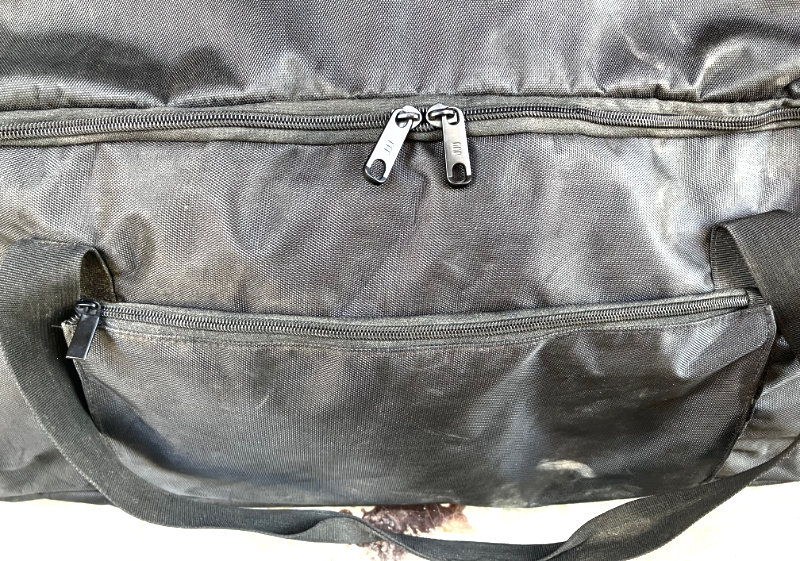
The zipper is approximately 56 inches long and curves into a “U” shape. Each side of the “U” is 16 inches long, with the bottom of the “U” at 24 inches. Because it is curved, the zipper was sewn with three pieces. The zipper itself, the heavy nylon bag material, and a bias tape. The zipper is sewn to the bias tape, which is folded over and then sewn onto the main body of the duffle bag.
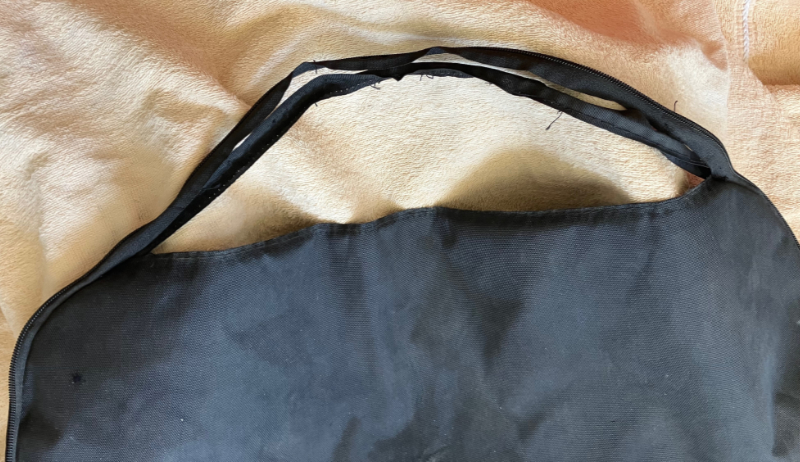
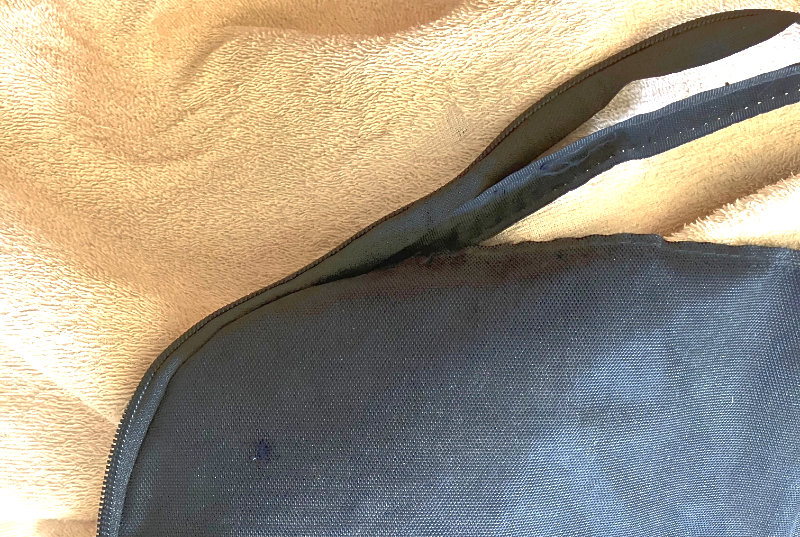
Using a bunch of straight pins, with the zipper opened, it was pretty easy to sew it back in place with the Speedy Stitcher.
Speedy Stitcher Kit
The kit comes with the Speedy Stitcher Sewing Awl, two large needles, and some wax-covered polyester thread. The needles and thread are really designed to sew or repair leather or heavy canvas.

Optional
For most camping and backpacking gear, I recommend purchasing an optional smaller needle and thinner thread.
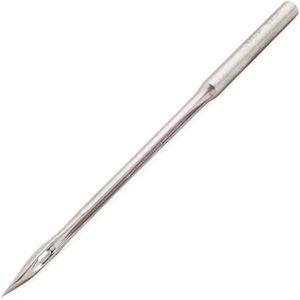
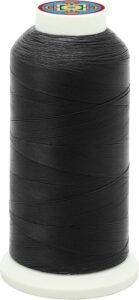
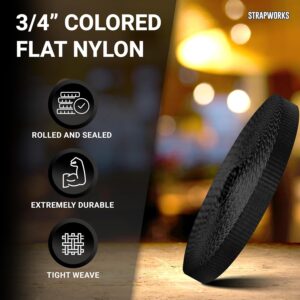
For my backpack, I used heavy-duty 3/4” nylon webbing.
Introduction to the Speedy Stitcher Sewing Awl
The Speedy Stitcher Sewing Awl is a versatile and handy tool that has been used for decades in various industries such as leatherworking, shoe repair, and outdoor gear repair. The company was founded in 1908.
It is a compact, handheld sewing unit that allows users to make strong and durable stitches by hand.
The Speedy Stitcher Sewing Awl consists of four main parts: the needle, thread holder, bobbin winder, and handle.
The needle is made of high-quality steel with a sharp point that can easily penetrate various materials such as leather, canvas, denim, and even heavy-duty fabrics like sailcloth or upholstery. The thread holder is where the spool of thread is placed and secured with an end cap. The bobbin winder allows you to wind your desired amount of thread onto the bobbin for easy use while stitching. The handle provides a comfortable grip for users to hold while using the tool.
Link to Speedy Stitcher Instructions
Here is a link to Speedy Stitcher’s YouTube channel for several short instructional videos.
One of the key features of the Speedy Stitcher Sewing Awl is its ability to create lock stitches – which means each stitch locks into place when pulled tight. This makes it perfect for repairing items that require strong and durable stitches such as tents or backpacks. It also comes with two different needles – one curved needle for making repairs on curved surfaces or hard-to-reach areas and one straight needle for general repairs. Although for my needs, a smaller (thinner) needle is what I use.
Moreover, this sewing awl can be used with various types of threads ranging from waxed nylon to polyester or cotton, depending on your project’s needs. This flexibility in thread choice enables users to create stitches suitable for different materials.
The Benefits of Hand-Stitching with the Speedy Stitcher
The Speedy Stitcher is a versatile tool that can be used on a variety of materials, including leather, canvas, denim, and even heavy-duty fabrics like sailcloth and upholstery. This makes it perfect for all sorts of projects, from repairing tents or tarps to creating custom bags and wallets, or even making clothing alterations.
The Speedy Stitcher is a unique sewing tool that uses just a needle and thread instead of a motorized mechanism. This means you have complete control over your stitches, allowing for greater precision and customization in terms of stitch length and tension. Plus, you can stitch in tight spaces or around curves without any limitations, which can be tough with traditional sewing machines.
Hand-stitched seams are super strong and last longer than machine-sewn ones. Why? Because each stitch is tied at both ends, so if one breaks, the others stay put. The Speedy Stitcher has a lockstitch that makes sure every stitch is reinforced as you go, so your project may last a lifetime.
Hand-stitching with the Speedy Stitcher is not only versatile and durable, but it’s also super affordable. Unlike those fancy sewing machines that need electricity or cost a fortune to maintain, this tool only needs needles and threads, which are way cheaper than buying new equipment or paying someone to fix it.
Using the Speedy Stitcher can also give you a sense of satisfaction and accomplishment, especially for people like me who can’t really sew. Hand-stitching is all about slowing down and enjoying the process of creating something with your own two hands.