What’s Up With That?
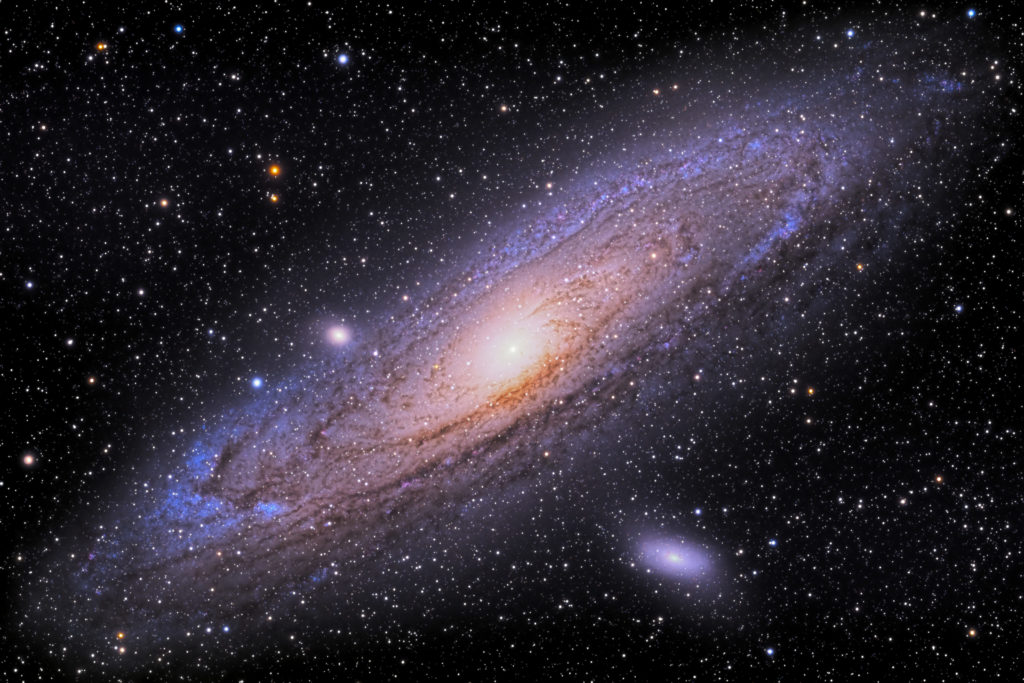
For all of my adult life I have owned telescopes and enjoyed astronomy as a hobby. Five years ago, with the advent of affordable specialized astrophotography cameras, I began taking pictures of deep sky objects. I now have hundreds of completed images.
When I share these pictures with friends and family, a very common response is, I should start selling my pictures. That is, I should turn my hobby into a part-time business.
Is this a good idea? I’ll share my thoughts on this.
What I Know About Businesses
I have a Bachelor’s Degree in Business Administration. Don’t let that fact fool you. A degree doesn’t necessarily mean the holder has real expertise. What matters is the ability to run a successful business.
I have owned successful businesses and managed successful businesses for others. The last 18 years of my career was spent working for a global business consulting company. I consulted with businesses, developed training programs and tools for businesses and for our consultants. So I do have a level of expertise.
This post will not provide any business advice. I want to concentrate on the value of hobbies.
What Is A Hobby?
A hobby is a regular activity done for enjoyment, relaxation, or personal interest, not as a profession or for financial gain. These activities are usually done in leisure time and can include collecting items, creative pursuits, physical activities, and intellectual interests. Hobbies offer benefits like stress reduction, personal growth, and skill development.
Attributes of a hobby
- Purpose: The primary goal is enjoyment, not profit. While a hobby can sometimes become a source of income, the intent is not to run a business for a living.
- Timing: It is an activity you engage in during your leisure time.
- Motive: Hobbies are driven by personal pleasure, curiosity, or a desire to relax or be creative.
- Personal Options: There is typically no pressure to complete it by a certain deadline, and you don’t have to be an expert to enjoy it.
Examples of hobbies
My hobbies have been life-long advocations and are: reading, backpacking, camping, stamp collecting, and astronomy/astrophotography. We can assign categories to my hobbies:
- Creative: Astrophotography
- Collecting: Stamp collection
- Physical: backpacking and camping
- Intellectual/Skill-based: Reading and astronomy
- Relaxing: Reading and camping
Most hobbies can be placed into one or more of the above categories.
The Downsides Of Monetizing a Hobby
Passion Can Turn Into Pressure
What used to be fun might start feeling like obligation. Deadlines, customer expectations, and the need to constantly “produce” can drain enjoyment.
It’s not uncommon for this move to monetization to make people abandon the hobby altogether.
Business Work Is Not Hobby Work
Loving astrophotography doesn’t mean I’ll love invoicing, shipping, marketing, taxes, and customer service. A side business often requires purchasing additional equipment. It adds administrative tasks, which is taken away from the time set aside for enjoying the hobby.
Monetization Can Change Your Creative Direction
Customers may not want to buy the pictures I enjoy taking. My astrophotography sessions may require me to focus on what customers want, not what I enjoy doing. Creative compromise is part of business, but it can feel limiting.
Not All Hobbies Are Profitable—Or Scalable
Some hobbies are niche. Some can’t command prices that justify your time. Some rely on eye-watering startup costs. Passion does not automatically equal profit.
Is PopUpBackpacker A Business?
No, it is not. It is my means of communicating with friends and family.
Typically each month I have zero minutes used on my phone. My texts are less than 20 per month. My internet time on forums is minimal. I hate and have never used things like X (formerly Twitter), Facebook, Instagram, etc. For the most part I am a hermit enjoying my retirement with my wife and the time I spend on my hobbies.
In 2016 I started running ads on my blog. Some are affiliate ads (I get a small commission on things sold). The rest are Google ads, where I get a small fee for each ad clicked (please do not click any ad unless you are truly interested in the product!).
In the 9 years since I started including ads, I have made a total profit of about $2,000 (that averages out to $222 per year). Most of that profit came in 2020 and 2021 due to the pandemic, because people were stuck at home and the number of people viewing my website more than doubled. My goal is to break even — that is not to spend any money on maintaining my website.
Websites cost money to run
Here are some of the yearly expenses I pay to keep the website up and running:
- Domain Name: (I own the domain name PopUpBackpacker.com)
- Web Hosting: The files that make up my website are stored on a server that is owned by a web hosting service. I pay them a yearly fee to store and maintain the files.
- Protection from hackers and bad people: in 2018 my website was hacked. I couldn’t access anything on it. I paid a company to fix it and protect it, which costs money. In addition I pay a couple of other companies for extra protection and back-up services.
Could I make PopUpBackpacker more profitable?
Yes, and no. First of all, it is a rare blog that makes any significant amount of money. The first thing really needed is to turn it into a full time job, writing articles every day. Plus I would need to start reviewing a lot of gear and equipment that I do not own or or use — this isn’t going to happen.
The second thing I would need to do is create an online social media presences that would tie my website to social media, which means I would not only have to spend lots of time creating content on my website, I would also need to spend time creating content on social media — this isn’t going to happen either.
Why? Because my website is about my backpacking and camping adventures. Or as I explained earlier, for me backpacking and camping is a regular activity done for enjoyment, relaxation, or personal interest, not as a profession or for financial gain. I would never want to change something I have enjoyed so much for so many decades.