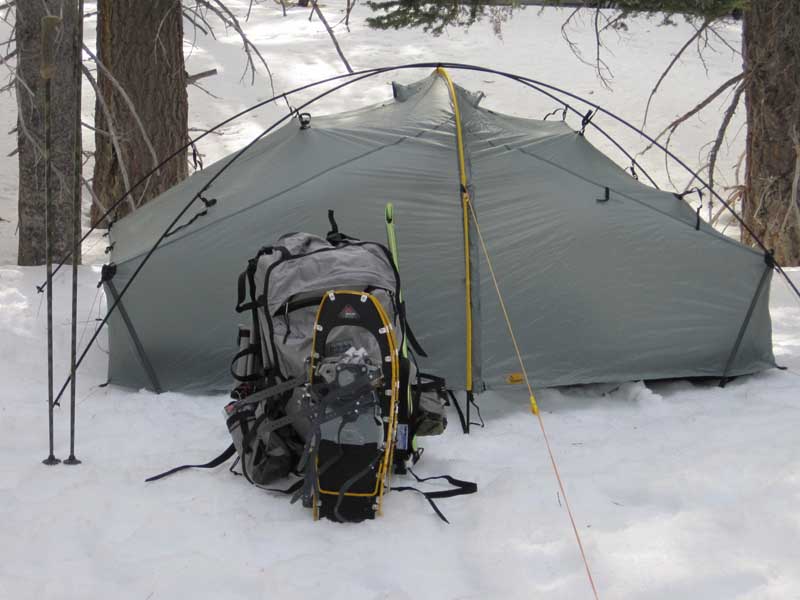
Back in 2018 I wrote that if I could only have one shelter it would be a MLD TrailStar. I still stand by that statement. This doesn’t mean the TrailStar is the best shelter — there is no best shelter — other than the one that keeps you warm and dry on a trip.
I’ve owned my TarpTent Scarp 1 for 15 years now. The Scarp 1 is built for serious conditions. It’s a 4 season tent. Much of the design is genius.
Why isn’t the TrailStar my Favorite Shelter?
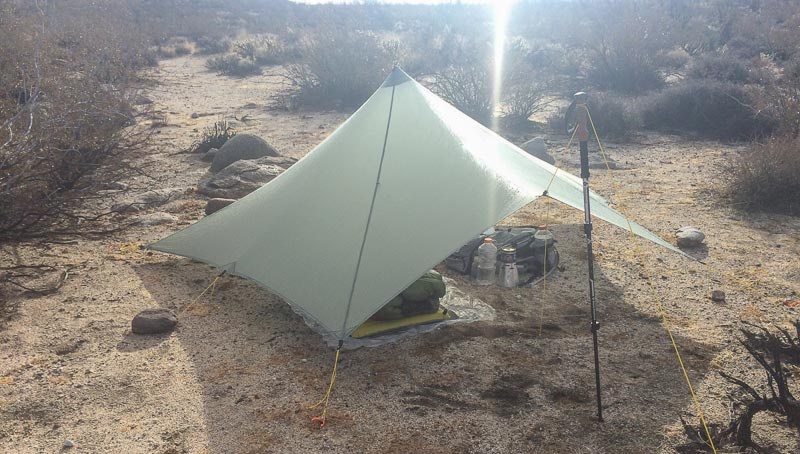
What it does well
-
Exceptional wind and storm performance
The design is legendary for its ability to handle strong winds. -
Very low weight relative to its coverage
My sil-nylon Trailstar weighs only 22.61 ounces (641 grams) with guy lines and seam sealing. For backpackers wanting minimal weight but good performance, this makes it a compelling option. The newer version is made from sil-poly, which is even lighter than my 12 year old sil-nylon shelter. -
Generous internal space and versatility
The floor-plan offers 65+ sq ft (~6 m²) and can sleep 2–3 comfortably (and even up to 4 in a pinch) plus gear. For solo hikers like me, the interior space is palatial. It can be pitched high for ventilation and views or low to handle really bad weather. -
Simplicity and proven durability
No doors, zippers or moving parts (unless you add an inner net) mean fewer failure points.
Where it has drawbacks
-
Entry / “door” logistics
Because the TrailStar lacks a traditional door, and you typically crawl in/out under a low-edge or side panel, it’s less convenient than a regular tent: -
Bug protection / inner net required in insect-heavy zones
This is a personal / location thing. Insects really don’t bother me. The TrailStar is a fly/tarp only. Some users add an inner net, which adds weight. -
Large footprint / site requirement
While the internal space is generous, the footprint in some terrain can be a bit more challenging to fit, especially in tight or heavily wooded campsites. -
Learning curve and pitch tensioning (especially DCF version*)
It does take a little practice to get a taunt pitch. Mountain Laurel designs also sells a DCF version (at double the price), which stretches less and requires much, much more precise staking and tensioning. The DCF version weighs 3 ounces less than the sil-poly TrailStar. -
Not intended for heavy snow loads / full winter mountaineering
While the wind handling is excellent, the TrailStar is not a “full-on winter snow shelter. If you’re expecting heavy snow loading or multi-day winter alpine use, you may want a differently designed tent.
* Some thoughts on DCF (Dyneema Composite Fabric)
I will refer back to these two articles (links below) when discussing a new version of the Scarp released by Tarptent in 2023.
Why the Scarp 1 is my Favorite Shelter
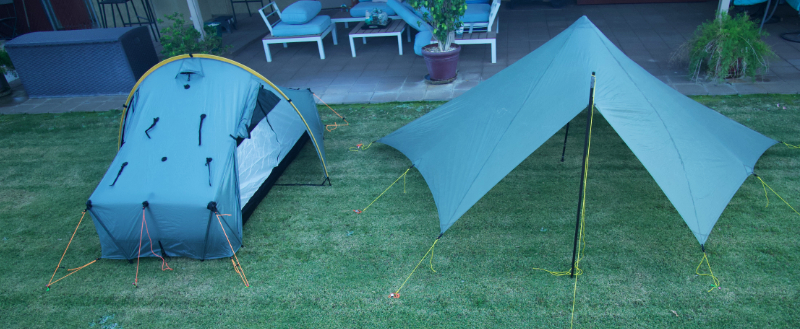
What it does well
-
Strong weather capability – The Scarp 1 is built for serious conditions. The fly and floor are made from 30 D double-ripstop silicone-coated nylon rated to over 5,000 mm hydrostatic head (current model).
-
Spacious interior for a solo tent – Although marketed as a one-person shelter, the interior is extra wide (fits a sleeping pad up to ~32 in / 81 cm wide) and you could squeeze two people (though gear space will suffer). Having dual doors/vestibules also gives functional gear space and flexibility.
-
Decent ventilation and double-wall design – The double wall helps separate you from condensation; the fly on the current version has vents above the doors, and there are short zips/adjustability for airflow. My 2010 model has two vents at the top and though not as well thought out as the newer versions, it is no reason for me to upgrade. I appreciate the dual-porch layout for storing gear and cooking, which improves livability compared to other traditional tents I have used.
-
Modularity & customization – You can choose mesh or solid inner walls depending on conditions; optionally add crossing poles for increased freestanding strength or snow use.
-
Good brand / materials – High-quality components: YKK zippers, Easton/DAC poles, high-grade fabrics.
Where it has drawbacks
-
Weight / bulk for ultralight users – While “light for a four-season tent” is a phrase used in reviews, if you compare strictly to ultralight 3-season tents, the Scarp 1 is heavier and bulkier. Thus, I mostly use it on my winter trips only. For me, at just under 3 pounds, it is unnecessarily heavy for the majority of my trips because I don’t need all the features. More on this later.
-
Pitching complexity & footprint – Some reviewers find that the required space is larger than simpler tents, and the shape/vestibules require a little more attention when picking a site or pitching in tricky terrain. This is especially true for me when pitching it in deserts where cactus thorns and other sharp objects lie in wait to attack me and my air mattress. But overall footprint has never been a real issue for me.
Particulars
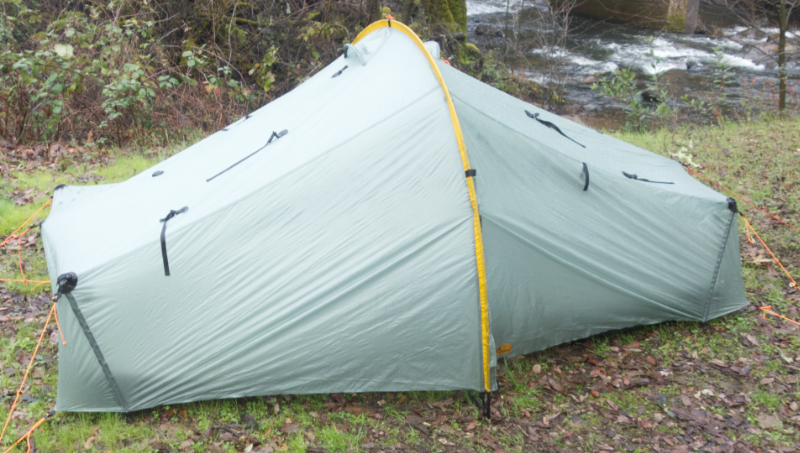
Since I usually only bring this shelter when the weather is cold, windy, and wet; I haven’t taken a lot of pictures over the years. When I purchased it in 2010 I set it up in our backyard to seal the seams with silicone and also to familiarize myself with all the design functions and options. So some of the pictures I’ll share were taken 15 years ago.
Versions
Scarp 1
The Scarp 1 in a one person shelter. Tarptent also makes the Scarp 2, the two person version.
Over the 15 years I’ve owned my Scarp 1, Tarptent has made many improvements to the design. I haven’t kept up with most of them, but a couple I’ve seen are definitely nice to have upgrades. Given that, I have not felt the need to purchase the current model — mine functions just as I need it to.
Scarp 1 Ultra
A couple of years ago Tarptent began selling a version made from Challenge Ultra TNT laminate fabric. Unlike the woven sil-nylon used in the Scarp 1, Ultra TNT is a laminated product. It doesn’t stretch and is stronger than sil-nylon and is slightly lighter. It also is bulkier than sil-nlyon when folded up and placed in a stuff sack.
Because Ultra TNT fabric is a laminate, it can delaminate, just like DCF. However, Ultra is heavier than DCF and probably less susceptible to delamination and abrasion damage than DCF. I have nothing made from Ultra TNT laminate and have never even seen anything made from it. So I can’t really comment on it, recommend it, or dissuade purchasing equipment made from it.
What I can state is my sil-nylon Scarp 1 has been a fantastic shelter with zero problems. And it has been in some pretty nasty storms.
The Scarp 1 Ultra costs $150 more than the regular Scarp 1, and according to the specifications on Tarptent’s website, the Scarp 1 Ultra weighs a whopping 1.05 ounces (30 grams) less than the plain Scarp 1.
Arch Pole Options
The arch pole gives the Scarp tent its structure. It’s an ingenious design. The pole is a 7 section shock-cored unit and is 10 feet long when assembled. When purchasing either of the Scarp 1 tents, you will need to pick which arch pole option you want:
- Carbon arch pole (7mm): 3.7 oz / 105 g
- Syclone arch pole (9.3mm): 6 oz / 170 g
- Aluminum arch pole (9.3mm): 5.5 oz / 156 g
My tent came with the 9.3mm diameter aluminum pole. Not a single issue with the pole, but there are a couple things I need to point out.
The pole fits snuggly into the sleeve and you need to push the pole, not pull at any point else the pole separates.
If the tent is wet, inserting or removing the pole is more work. Just take your time.
Inner Options
The Scarp 1 is a double walled tent. With the solid wall inner and ventilation options, condensation is no longer a problem for me. In fact, my Scarp 1 is the best shelter I’ve ever used for handling condensation.
When you purchase the Scarp 1, you can pick a solid inner or an inner made of netting. Or you can order both versions of the inners. Or you can just buy a second inner at a later date.
As of today, the net inner is priced at $199 and the solid $239.
I would assume that the current inners will fit older tents like mine, but best to check with Tarptent first.
Solid Inner
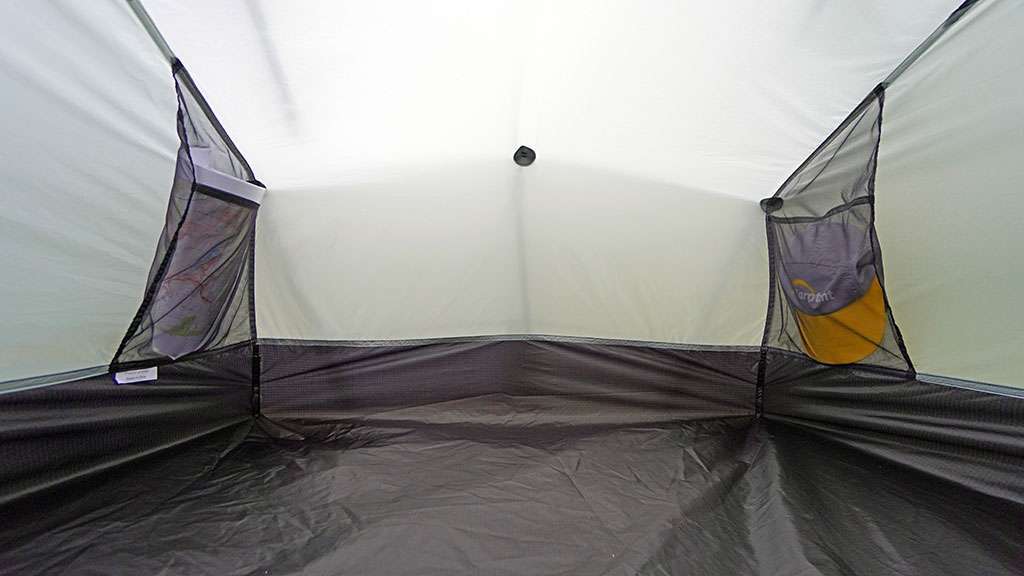
I have the solid inner. The top of the inner is mesh netting, the main section is breathable nylon and the bottom is waterproof sil-nylon bathtub design with 5 inch walls.
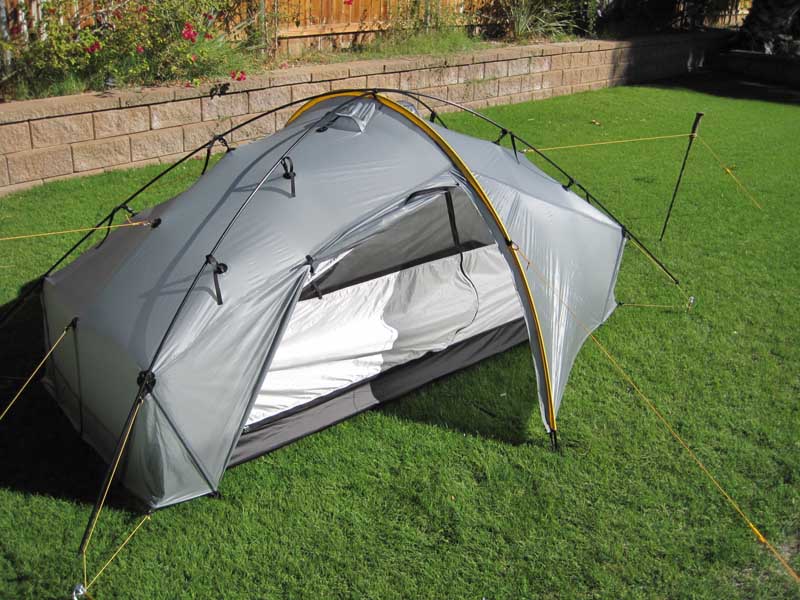
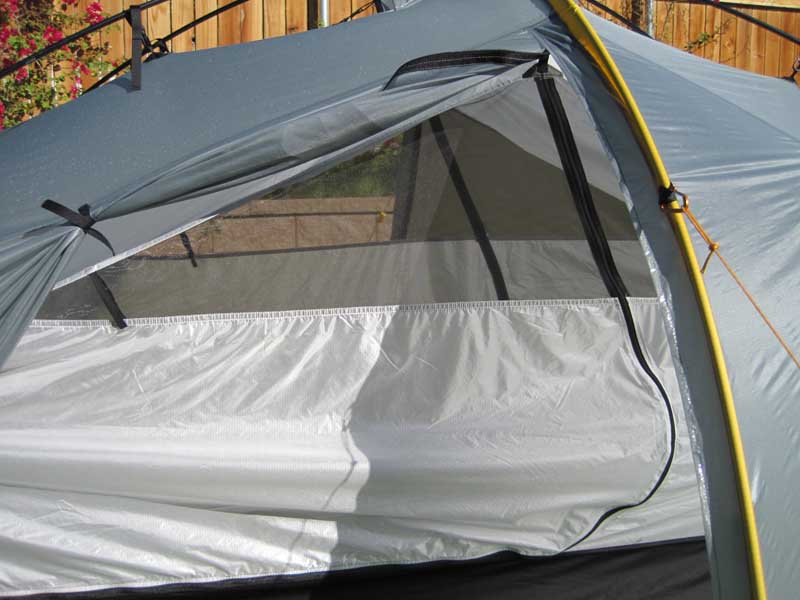
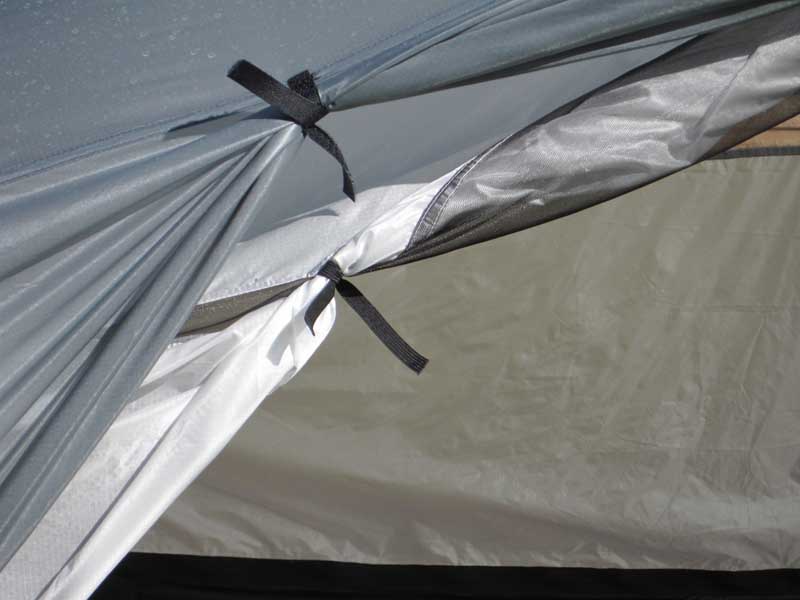
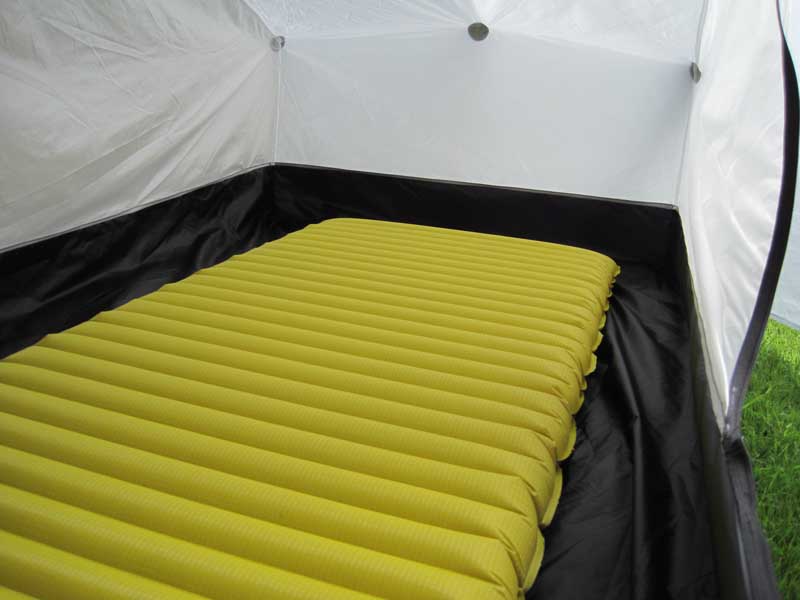
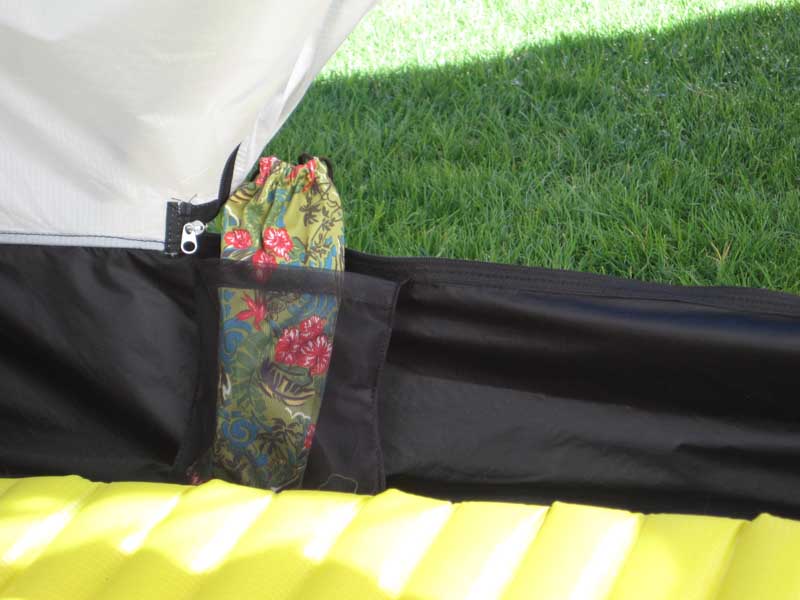
There is a small mesh pocket on each side of the inner, close to the front of the tent. Tarptent has upgraded the inner with a larger pocket.
Pitching is Easy Peasy
The inner stays attached to the fly during set up. This means the inner will be nice a dry once it is pitched. After setting up the Scarp 1 a couple of times, it is very simple and quick to do. Just takes a couple minutes. I’ll post a link to a set up video at the end of this article.
Optional Crossing Poles
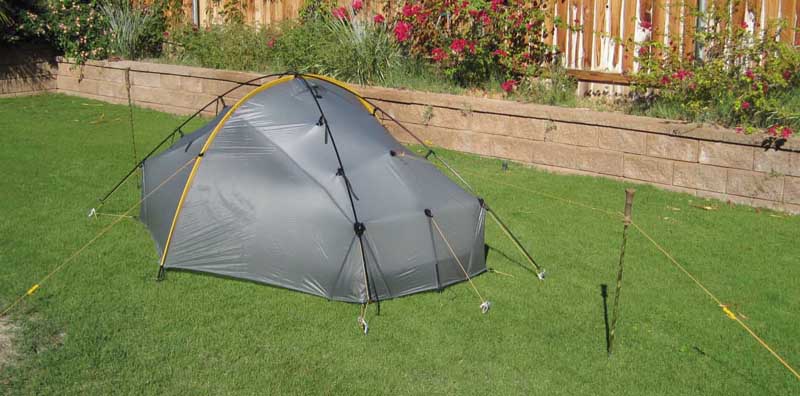
Optional, meaning you have to purchase them if you want them.
The optional crossing poles are used to increase the tent’s stability in high winds and heavy snow. They improve the tent’s performance by adding extra support, making it more weather-resistant. Or at least that is the theory.
In my experience, they are required for heavier snow. How well they provide additional stability in winds is of questionable value from my use over the years. Yes, the crossing poles do reduce the amount of deflection in strong winds. If I am not expecting much snow, I leave the crossing poles at home. So, to summarize:
-
Adds stability:
The poles provide extra support, preventing the tent from collapsing or distorting under strong winds.
-
Improves weather resistance:
This extra support makes the tent more robust in harsh conditions, suitable for mountain camping.
-
Enables freestanding setup:
When installed, the poles allow the tent to be completely freestanding, meaning it doesn’t require stakes to stay up and can be moved or adjusted easily. Yeah, people mention this, but to be honest, if you require a serious shelter, you need serious stakes!
-
Increases ventilation and clearance:
The crossing poles increase the clearance between the inner and outer fabric, which improves ventilation and interior headroom.
-
Provides snow load support:They are particularly useful in winter for bearing the load of heavy snowfall
Optional crossing poles choices with links:
-
- Aluminum DAC 10.65 PL : 18.2 oz / 515 g (set of 2)
- Syclone (9.3mm): 16.2 oz / 459 g (set of 2)
- Carbon fiber (Easton® 3.9, 7mm) : 9.1 oz / 258 g (set of 2)
Extra Support with Trekking Poles (a Warning)
I need to point something out.
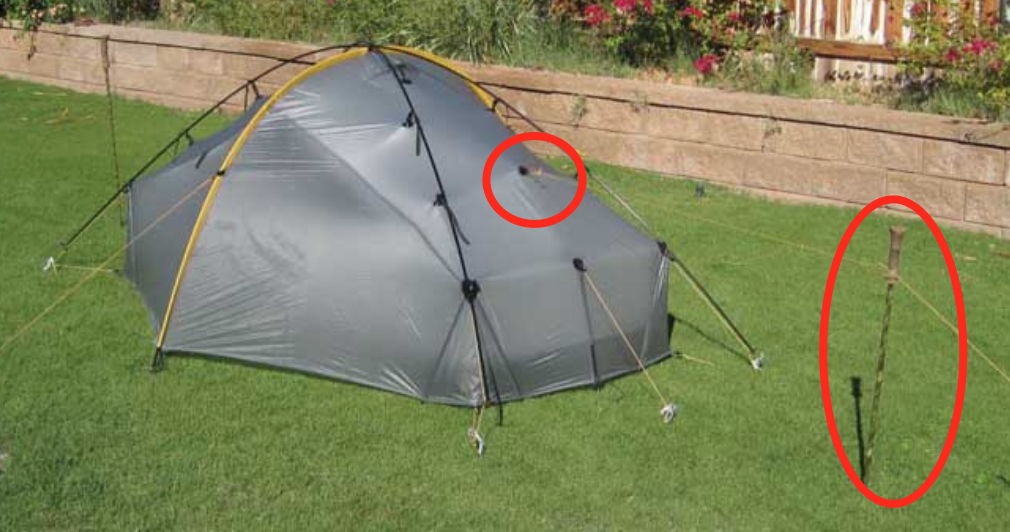
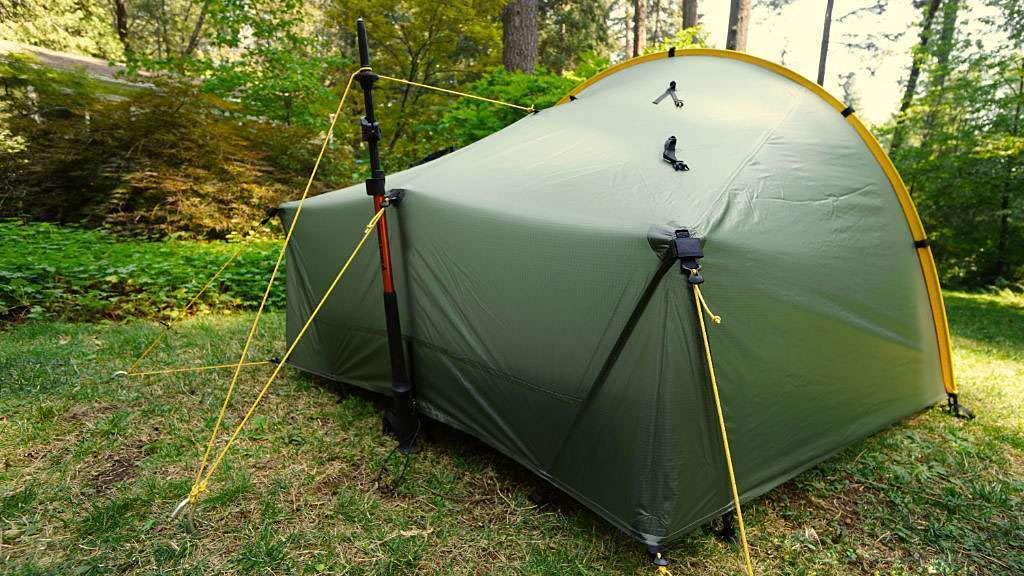
There is a loop on the top of each end of the tent that can be used for extra support using a couple trekking poles. In the picture above, I set up the poles just to make seam sealing easier. The poles should be placed closer to the tent as in the picture below:
Now let’s take a closer look at the connection to the tent (circled in red)
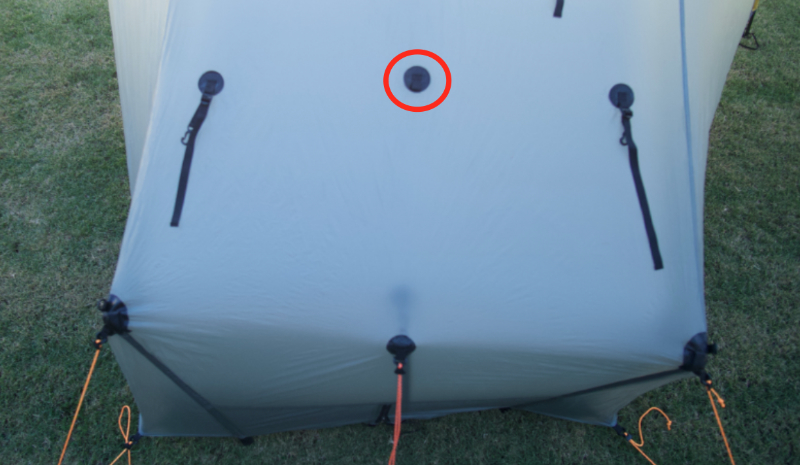
This is a loop that a guy line can be connected to and then pulled upward via a trekking pole. DO NOT connect this loop to a guy line attached to a tent stake. It is not a point designed to be staked down to the ground and can possible cause the tent to rip at that point in high winds, especially if another stake(s) come loose.
Stakes
And so here we are — a serious weather tent — and yet backpackers will skip on stakes to save a few ounces. Bad idea!!
The Scarp 1 comes with:
- Six 7.88-inch aluminum DAC J stakes: 0.55 oz / 16g (each) | 3.3 oz / 94 g (total)
The Scarp 1 Ultra comes with:
- Six Easton® Nano 9 in / 22.9 cm aluminum stakes
These 6 stakes will be enough to stake the 3 strut points at each end of the tent.
For windy conditions you will want additional stakes to attach guy lines to the arch pole (see blow). There is one loop on each side of the arch pole sleeve to connect a guy line. I suggest 9″ Easton Nano stakes (this is what I use on all guy lines with my Scarp 1).
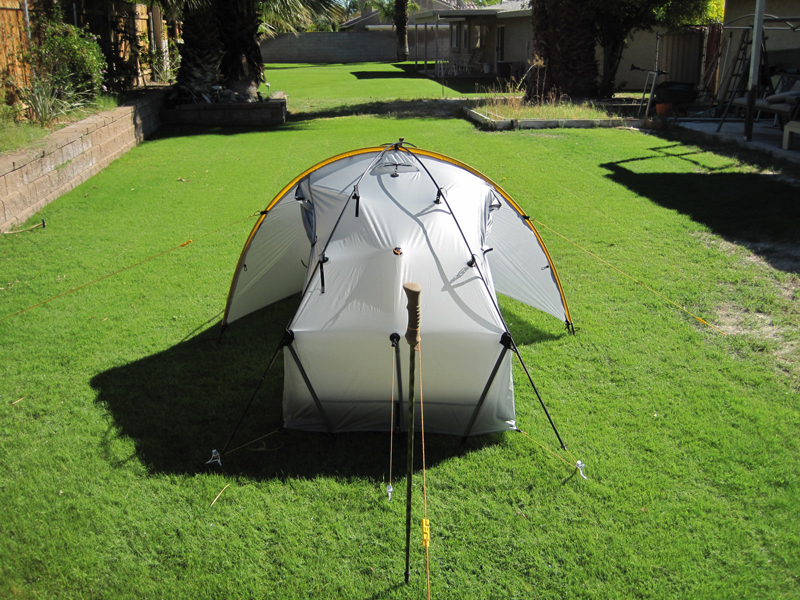
The Scarp 1 and Ultra come with 2.5mm reflective sheath with Spectra® core and integrated LineLoc’s. I have since replaced the original cords with 3mm reflective cord. The cord and line locks at the 6 strut points stay on the tent when packing up.
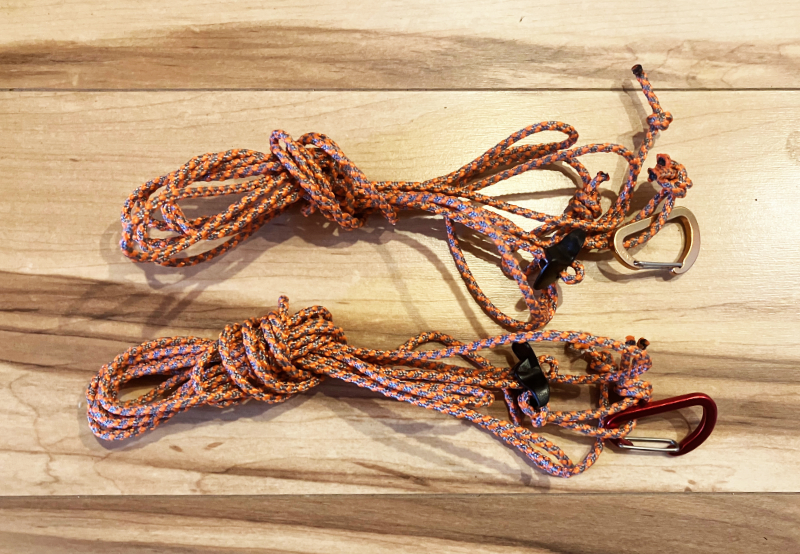
I do not always use the arch pole guy lines. When I do, I have attached the cord to mini carabiners for quick connection to the arch pole sleeve (see below):
One last point: on snow and soft sand I use snow stakes.
This website may be compensated for linking to other sites for sales of products. As an Amazon Associate I earn a small fee from qualifying purchases at no additional cost to the purchaser.
https://www.amazon.com/Ogrmar-Aluminum-Camping-Backpacking-Activity/dp/B07583YV6J/ref=sr_1_5?crid=2EB7152K84SLR&dib=eyJ2IjoiMSJ9.-CofCGTSOnbU7CcZF-lBqUp5g5EekoxHZUD3_eT2425jRtwt8Fzwc7CQl85Xa5MZu4V0XfzHqkE_36-oPtwQnD7LPaTUJ43cYKIYyA7rv2UU0meomKkRCuFUE1pRJ35KO64-kmF-buc-WJuqHzvGptjXkyyFoAUFookzKL1U7KA_iVdYp4Jp9yKYHp2Iu8GWQ4RJWzESXVAh4qE7glzNxdhR3foSU-yONSOlp8O5A28.4xXA8KGMuxklXEfB0AFbA9gUgQ3BDY_MPmti-KwU5F0&dib_tag=se&keywords=snow+tent+stakes&qid=1761258963&sprefix=snow+tent+stakes%2Caps%2C189&sr=8-5
Arch Pole Loops
As mentioned, my Scarp 1 has one guy line loop on each side of the arch pole sleeve. Tarptent has changed this and added a second loop on each side. I really like this improvement!
Strut Staking Points
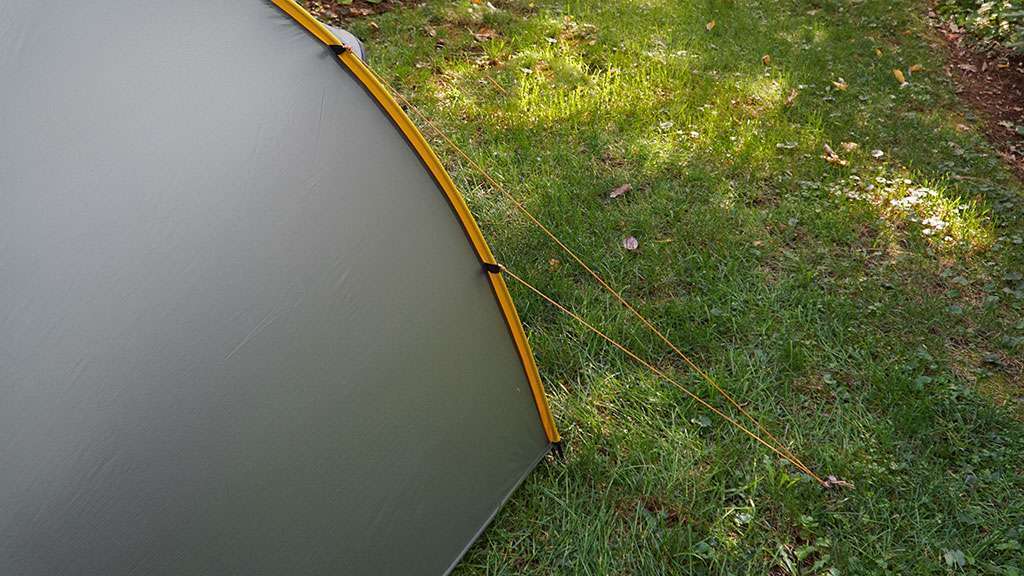
At the each end of the tent are 18 inch struts that are sewn into the rainfly materials. At each corner there are two struts connected together to form an inverted “V”. In the center, between the two “V” corners is a single strut. The guy lines are fairly short, because the guy line should be at a 45° angle to provide the correct amount of tension to hold the struts (and tent) to the ground.
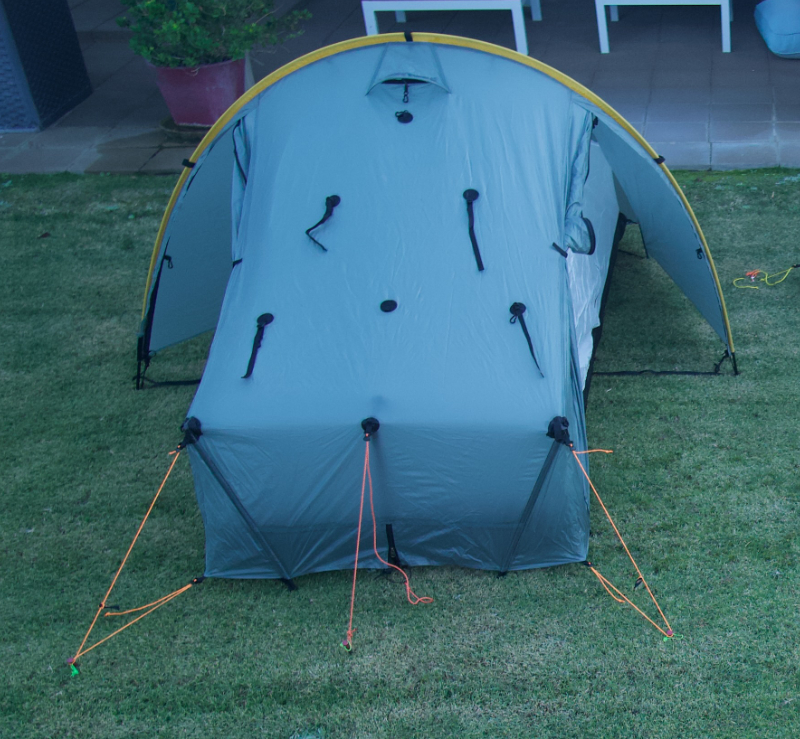
Scarp 1 in Action
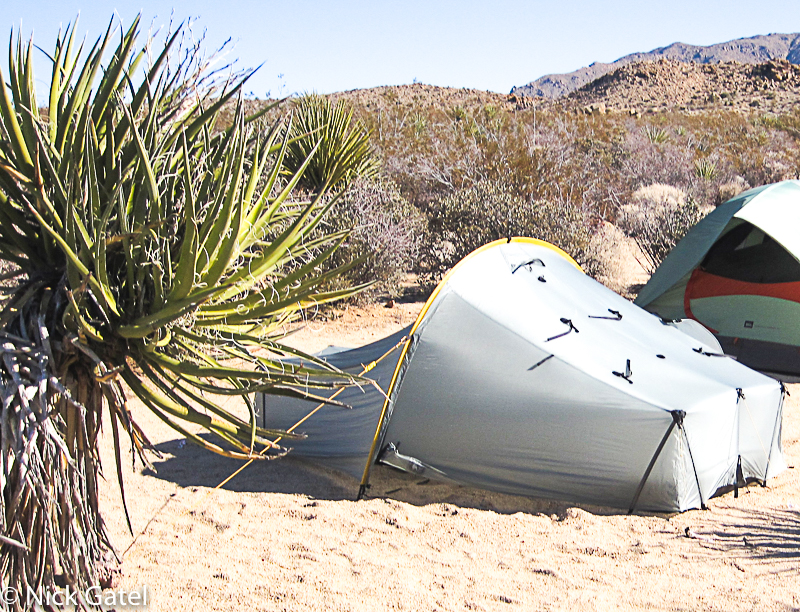
On those long cold, wet, and windy winter nights the Scarp 1 is an impressive home. Plenty of room to sort gear, make gear repairs if necessary, move around, and cook. I can store all my gear inside without giving up any living space.
There is plenty of headroom to sit up (I’m 5’11”), once I move towards the center of the tent.
Two Vestibules (doors)
I can store gear in the back end of each vestibule, where the stuff won’t be in the way of getting in or out of the tent.
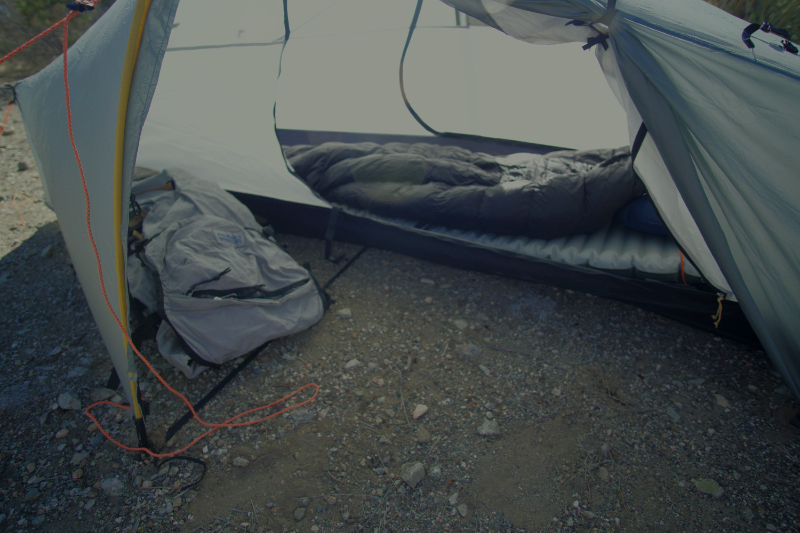
I keep stuff I need for cooking, drinking, maintenance, and other chores in front of one of the doors. Usually the left door, so I can lay on my side and easily work with my right hand. This is especially nice on cold mornings when I can prepare breakfast and stay in my sleeping bag.
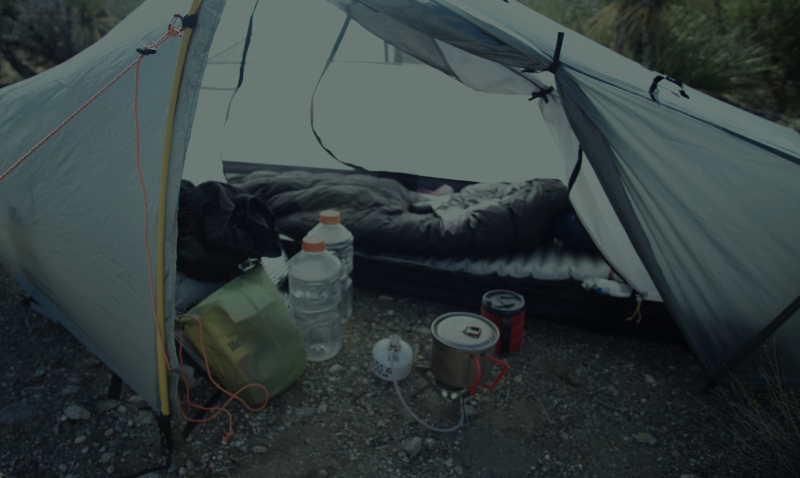
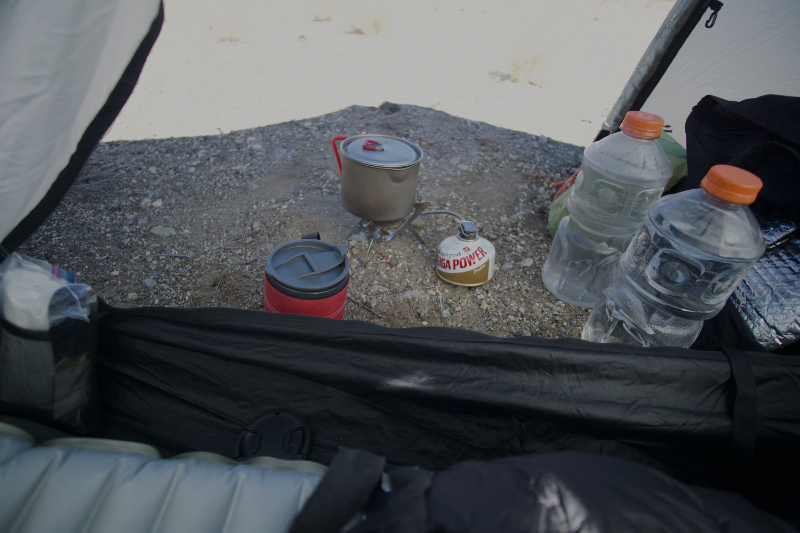
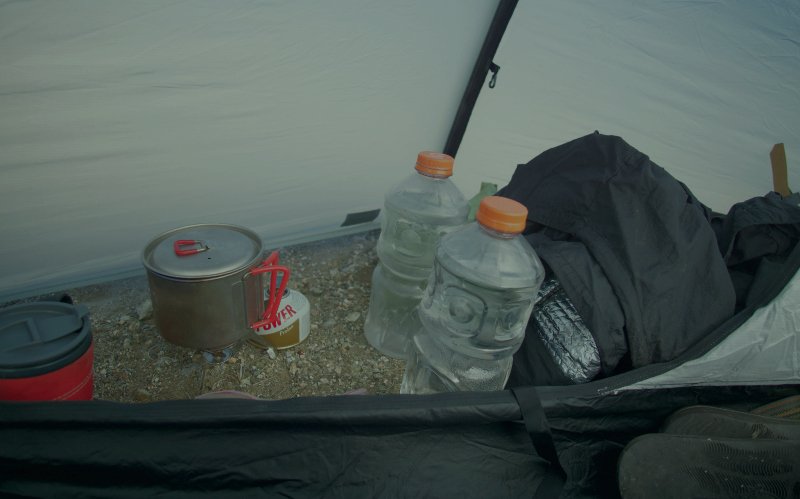
The other vestibule is my exit point. I keep my shoes there and store my headlamp in a shoe for quick access. I also store toiletries there too. This way it is easy to exit the tent at night after dinner to go for a walk of brush my teeth or for a restroom break.
What I don’t Like
The Stuff Sack
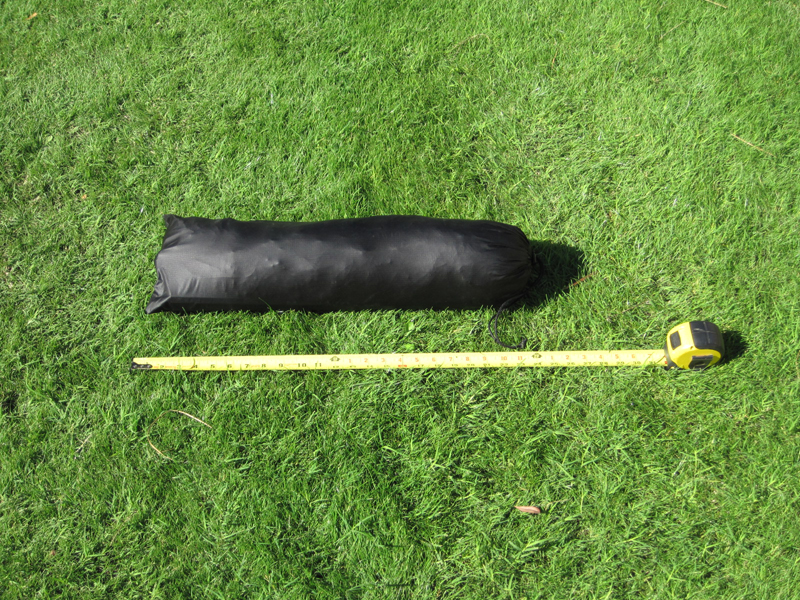
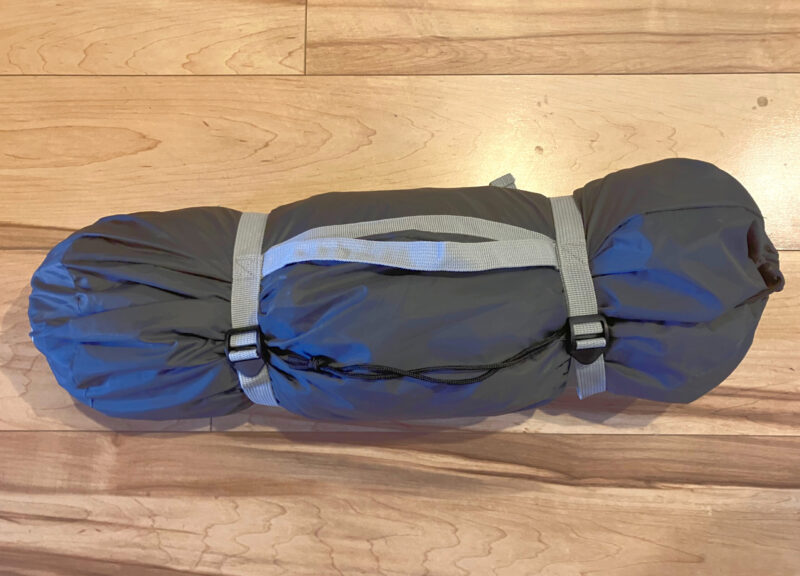
The thing is 20″ long and is not very wide.
Of course, like anything we buy that is packaged — using it — then getting it back into the package (sack, bag, box or other included storage container) is often fraught with frustration. The Scarp 1 stuff sack I received was no exception.
When I bring the Scarp 1 as my shelter on a trip, the mornings are usually cold, often wet and windy. I am in a hurry to get going and warm up. Odds are I am wearing wool gloves begging the slippery sil-nylon to resist gravity and wishing for more friction or stability when trying to get the shelter back into the itty bitty stuff sack.
And I farted around with this dilemma for 15 years. The stuff sack was worn and covered with tiny holes. Finally, before a trip last march that promised to be cold and windy, I decided to get a larger stuff sack with compression straps. The straps can be used to attach the tent to my pack and sometimes, if there is room, I’ll carry it inside the pack.
I should have replaced the stuff sack years ago — like before my first trip with the tent.
https://www.amazon.com/dp/B0BG69VKHD?ref_=ppx_hzsearch_conn_dt_b_fed_asin_title_3&th=1
Another Possibility
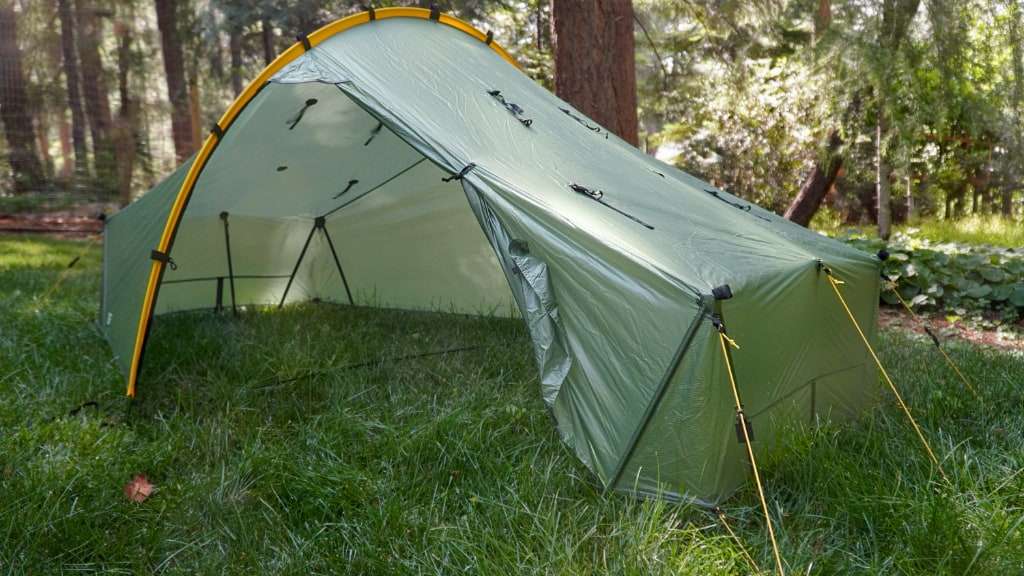
Although I know I could do it, I never seriously thought about just taking the Scarp’s rainfly as a stand alone shelter. It would weigh about 9 ounces more than my TrailStar. The weight difference would include the arch pole. Plus I wouldn’t need the extra pole I use with the TrailStar that weighs 3.5 ounces. Were I to leave my hiking staff at home, which is the TrailStar’s center pole, the Scarp solution would weigh less. However, I’m not leaving the hiking staff at home.
Anyway, it is an enticing thing to experiment with. Plus the Scarp rainfly would need a smaller foot print, fewer stakes, and be easier to enter and exit.
Here’s a set up video made by Tarptent
You can buy a Scarp 1 directly from Tarptent
DISCLOSURE
I haven’t mentioned this in a while.
I buy ALL my gear at full retail unless there is a discount offered to all customers.
I am not a backpacking, camping, or gear expert.
I do not accept any gear for free, or purchase anything with the condition that a review is forthcoming from me.
I do not accept the use of any gear for review. None.
I hate the concept of Gear Ambassador. If you don’t know what that means, then there is no need for you to Google it. If you know what it is, then no explanation needed. I am not a Gear Ambassador for any company.
I have no gear company “sponsoring” me. No gear company has ever offered to sponsor me. I bet that few, if any, gear companies even know who I am, other than maybe a couple very small concerns.
I do not do business with any company that offers any sort of perk or chance of a reward if you “Like” them on Facebook. Of course I can only confirm if this is happening if they post it on their Website because I do not read anything on Facebook.
I am an old curmudgeon, opinionated and resistant to change. I dislike most people. Dogs, mosquitoes, and children usually dislike me back.
What works for me probably won’t work for you.
If you buy something because I like it or use it, you probably made a poor purchase decision.
My Website is essentially for my kids, and a few friends to keep up with what I am doing. In general I have an aversion for email, cell phones, and I especially hate texting; so the website makes easy for them to see what I am up to, if they choose to do so.