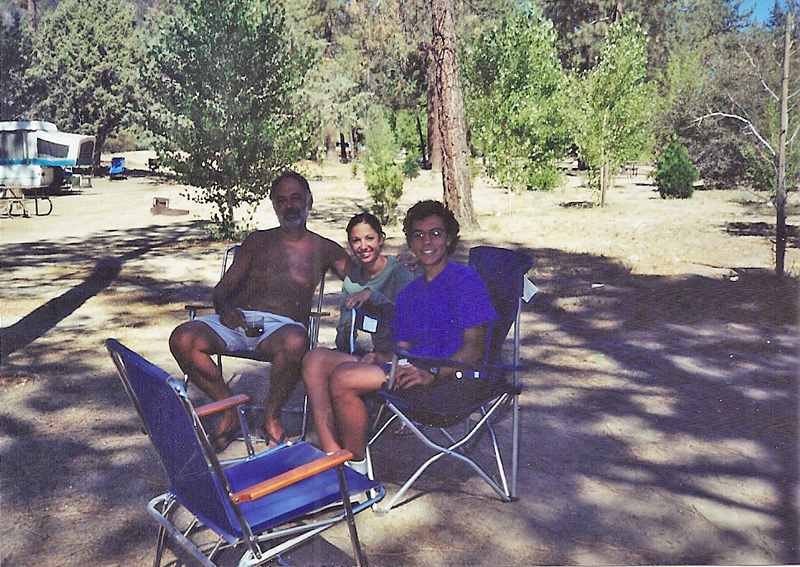
Yesterday I shared a post, Campground Etiquette: We need to talk about trash. One of the main points I wanted to make is so many of today’s campers just haven’t been educated on the rules and regulations, nor taught proper campground etiquette.
In this post I’ll cover campground etiquette with a focus on teaching kids to respect nature and their fellow campers.
The Oxford Dictionary defines etiquette as
Family camping trips are one of the best ways to unplug, connect, and introduce kids to the wonders of the outdoors. But when campgrounds are shared spaces, courtesy and respect make all the difference. Following good campground etiquette helps your family—and everyone around you—enjoy the experience to the fullest.
Here’s how to camp responsibly, keep the peace, and teach kids lifelong outdoor values.
1. Respect Quiet Hours
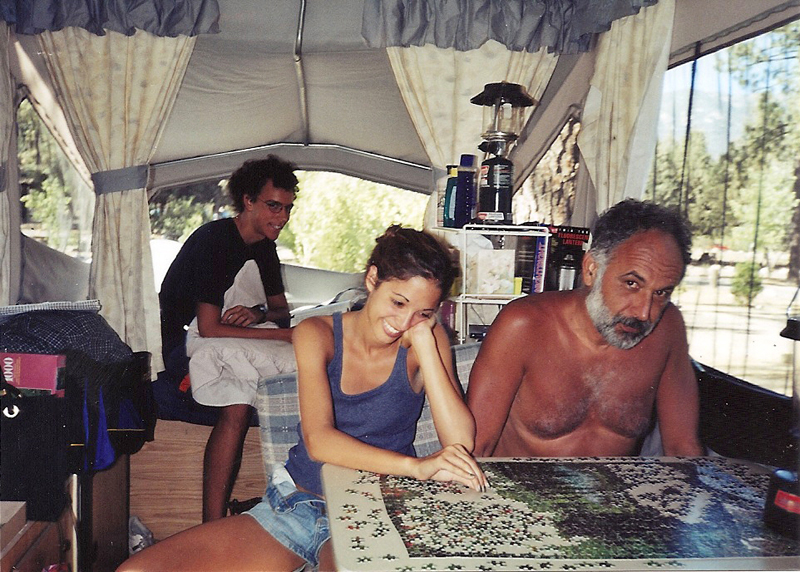
Even when excitement runs high, remember that most campgrounds have quiet hours between 10 p.m. and 6 a.m. Keep voices low, avoid loud laughter or music, and close car doors gently. In the morning, remind kids that sound carries easily through tents.
For the adults, if you use a generator, remember to observe any restrictions for generator use.
2. Keep Your Campsite Clean and Safe
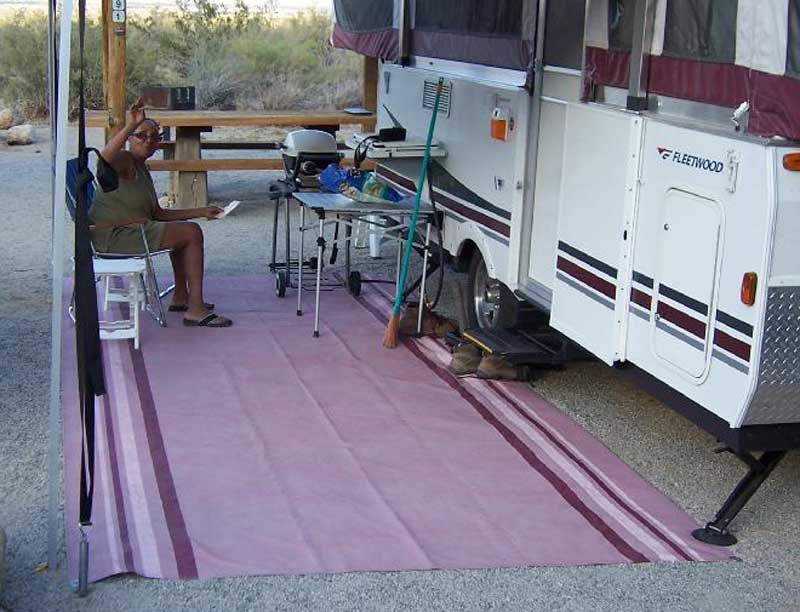
A clean campsite is a happy campsite. Encourage kids to help keep the area tidy by:
- Picking up litter (even if it’s not yours)
- Putting away food when not eating to avoid wildlife visits
- Keeping gear organized to prevent tripping hazards
This is a simple way to teach kids the “leave it cleaner than you found it” mindset that’s central to responsible camping.
3. Respect Other Campers’ Space
It’s tempting for kids to run through neighboring campsites, but each one is someone’s temporary backyard. Encourage them to stick to roads and trails instead. Adults should do the same—it’s one of the easiest ways to show respect in a busy campground.
4. Practice Fire Safety Together
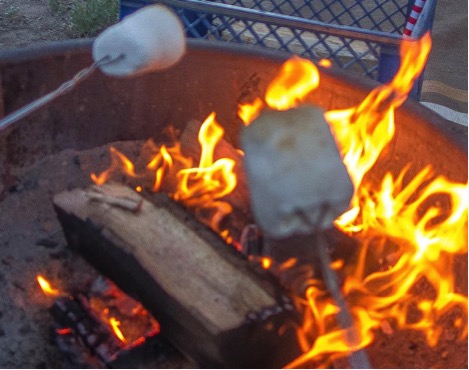
Campfires are a highlight for families—but also a serious responsibility.
- Keep a bucket of water and a shovel nearby.
- Teach kids to stay a safe distance from the fire ring.
- Never leave a fire unattended.
- Fully extinguish fires before bed or leaving camp.
5. Keep Noise Family-Friendly
Joyful sounds are part of camping, but loud music, shouting, or rowdy play can disturb nearby campers. Keep music at a low volume, and move games or group activities to open spaces or playgrounds away from campsites.
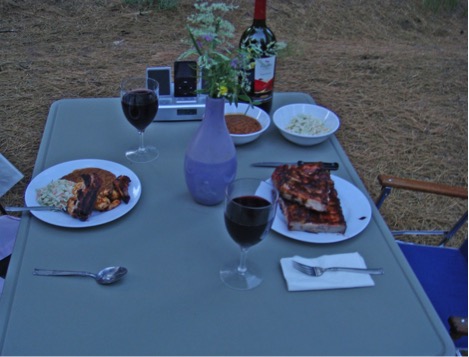
Remember—campgrounds are a mix of families, retirees, and early sleepers. A little mindfulness goes a long way.
6. Be a Responsible Pet Family
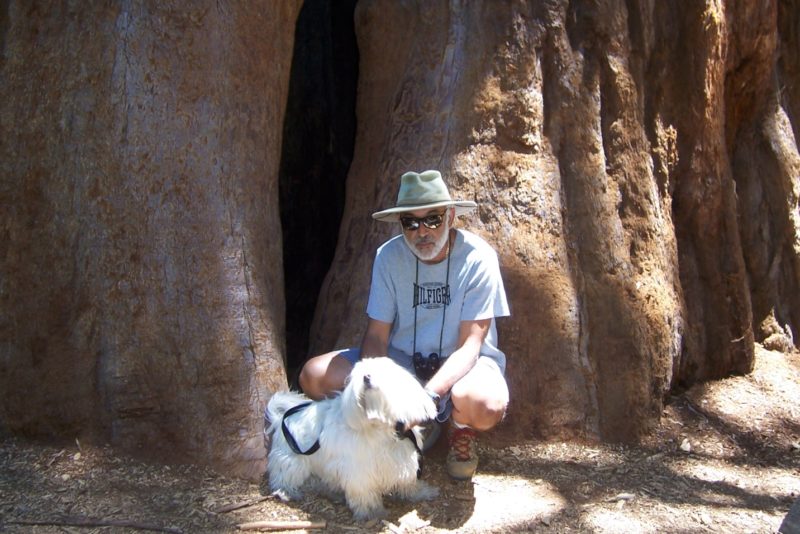
If you’re bringing the family dog, make sure everyone helps follow the rules:
- Keep pets on a leash at all times.
- Always clean up after them.
7. Be Considerate With Lights
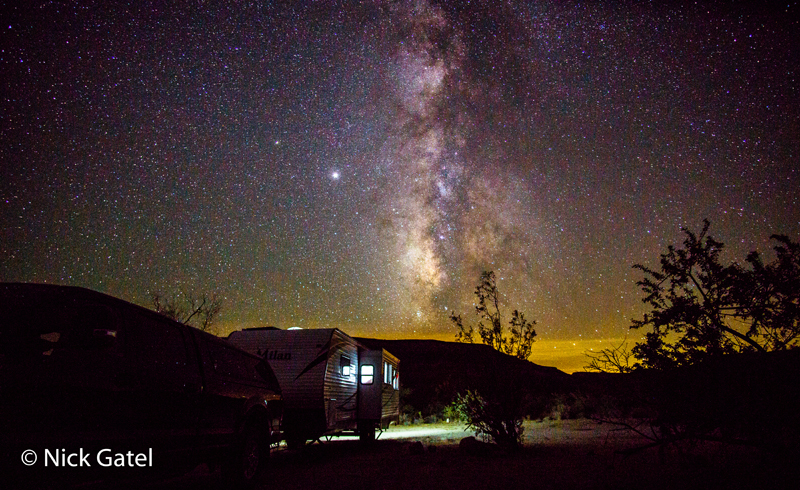
Flashlights, lanterns, and string lights add fun to the campsite—but too much brightness can spoil the night for others.
- Turn off decorative lights before bedtime.
- Point flashlights down, not into other tents.
- Teach kids about the beauty of a dark night sky—perfect for stargazing and winding down before bed.
8. Share Facilities Thoughtfully
Restrooms, dishwashing stations, and water spigots are shared by everyone. Remind kids to:
- Wait patiently for their turn.
- Clean up any spills or messes.
- Use only what they need and move along quickly.
Small courtesies make shared spaces pleasant for everyone.
9. Respect Wildlife and the Environment
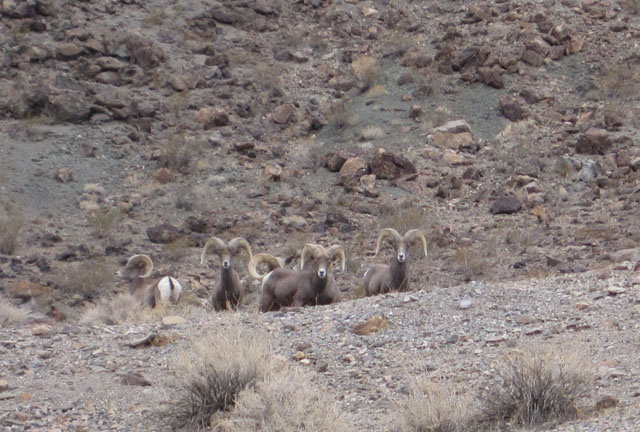
Curious kids love animals and nature—but it’s important to admire from afar.
- Never feed wildlife.
- Observe animals quietly and respectfully.
- Leave rocks, flowers, and sticks where they are.
10. Follow the “Leave No Trace” Family Challenge
Turn the 7 Leave No Trace principles into a family challenge for every trip:
- Plan ahead and prepare.
- Travel and camp on durable surfaces.
- Dispose of waste properly.
- Leave what you find.
- Minimize campfire impacts.
- Respect wildlife.
- Be considerate of other visitors.
Post these on your gear bin or make them a fun checklist for the kids.
Final Thoughts: Courtesy Is the Best Camping Lesson
Good campground etiquette starts with small acts of kindness and awareness. When families show respect for nature and fellow campers, kids learn responsibility and community. The result? Happier neighbors, cleaner campsites, and more meaningful outdoor memories.
So next time you pitch the tent or park the RV, remember—the best souvenir from any family camping trip is the lesson of respect for the world around you.