Category Archives: Backpacking

Is “stink” from sweating while backpacking bad?

We have friends visiting us. It is the middle of summer in one of the hottest places in the world. And so a conversation took place about sweating. It caused me to reflect on a post I wrote 10 years ago in August of 2016. A post, in my opinion, well worth sharing again.


A common complaint and an ever-ending search for many backpackers is the elusive search for clothing that will minimize body odor.DSC00620
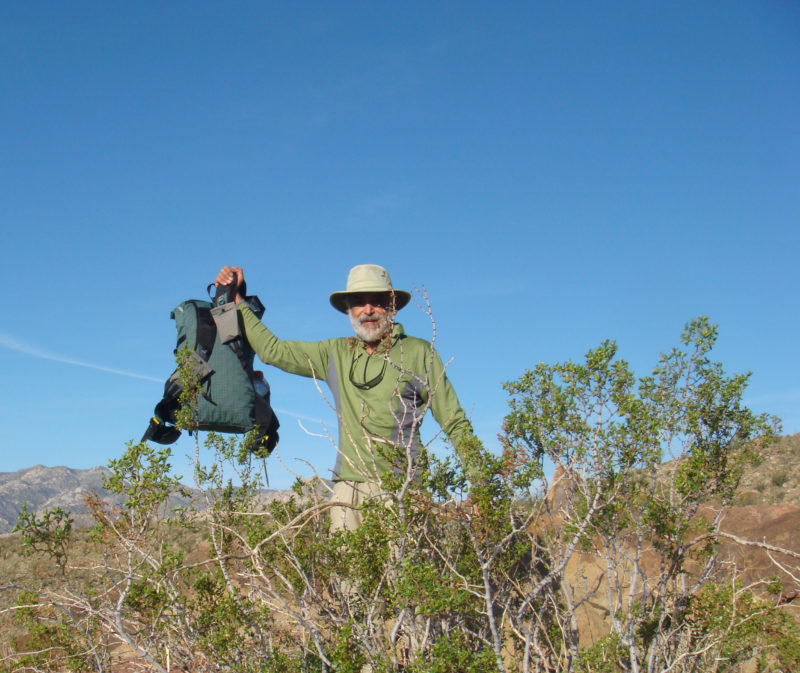
For many species body odor is an evolutionary survival mechanism, and many scientists believe this is also true for humans. Unlike my dog, who pants to stay cool in warm weather, humans sweat to keep cool by evaporation. Sweating produces more body odor than sitting at rest in a temperature of, let’s say, 78F.

Should you join the search for clothing that minimizes body odor? Should you constantly purchase the latest and greatest piece of clothing that miraculously won’t stink after a week in the backcountry, or would your time spent for the Great Search be better spent on more productive ventures, not to mention the money saved by using what you already own?

Continue reading Is “stink” from sweating while backpacking bad?

Proposal for a New Wilderness Ethic: Leave No Digital Trace (LNDT)

For decades, the Leave No Trace (LNT) ethic has guided outdoor backpackers (and others) in minimizing their physical impact on wild places. These principles — focused on waste, wildlife, and landscape preservation — remain essential. However, modern technology has introduced a new and often overlooked form of impact: the digital footprint. Smartphones, GPS devices, drones, social media platforms, and geotagging have transformed how people experience and share wilderness. While these tools might offer some safety, navigation, and education benefits, they also create lasting digital traces that can harm fragile environments and diminish the wilderness experience for others.

This proposal introduces Leave No Digital Trace (LNDT), a complementary wilderness ethic designed to address the unintended consequences of digital technology in natural spaces. LNDT encourages outdoor users to minimize their digital impact in the same way LNT minimizes physical impact.

Continue reading Proposal for a New Wilderness Ethic: Leave No Digital Trace (LNDT)

Backpacking & Technology

Backpacking has long been somewhat defined by its simplicity, self-reliance, and a close connection to the natural world. In recent years, however, modern technology has become deeply integrated into outdoor recreation. GPS devices, smartphones, satellite communicators, and social media have changed how people plan, experience, and remember their trips. While these tools seemingly provide benefits, perhaps we should worry that technology is negatively affecting backpacking by diminishing self-reliance, weakening the wilderness experience, increasing environmental impact, and altering the culture of backcountry travel — a culture rooted in a combination of practical skills, ethical behavior, and an appreciation for solitude and rugged beauty.

First some comments about older people not wanting to change and technology in general . . .

Continue reading Backpacking & Technology

Sherline Trailer Tongue Weight Scale: Long Term Review

Sherline Tongue Scale

It is extremely important that the tongue weight of your trailer is within the specifications of the tow vehicle manufacturer and the trailer manufacturer. Almost all specifiy that the tongue weight should be between 10% — 15% of the trailer’s gross weight. In addition you should not try to tow a trailer that exceeds to the total gross weight specified by the tow vehicle manufacturer and the trailer manufacturer.

In this post I’ll discuss why you should follow the tow vehicle manufacturer’s specifications, how to use the Sherline Tongue Weight Scale and why I recommend it.

Continue reading Sherline Trailer Tongue Weight Scale: Long Term Review

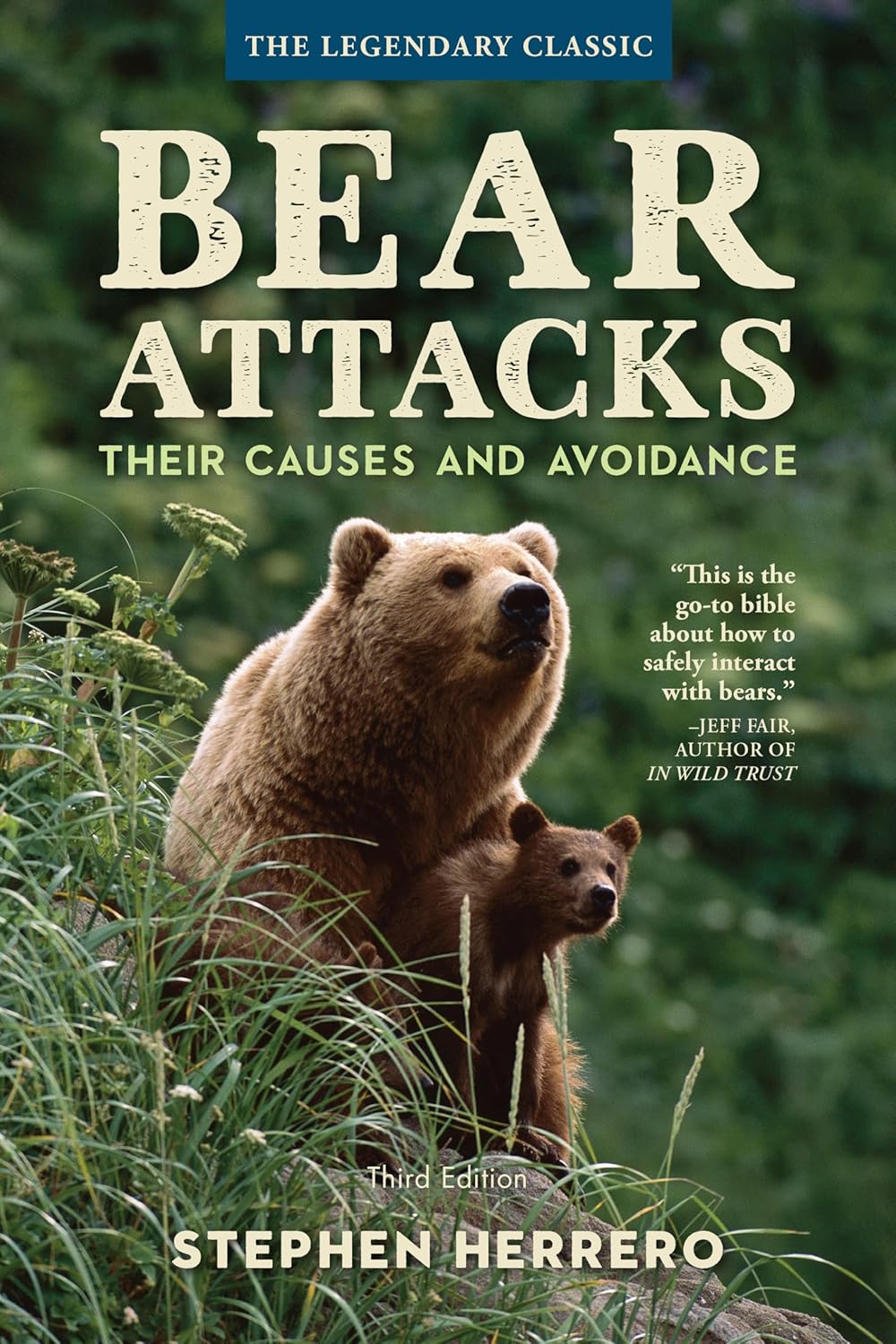
Book Review: Bear Attacks — Their Causes and Avoidance, by Stephen Herrero

Yesterday I wrote about what to do in an encounter with a mountain lion. A lot of what I wrote applies to bears. But not all of it. Plus there are three kinds of bears in North America that can be encountered: black bears, brown bears (grizzly bears) and, if you are half-crazy like my very dear friend Peter, polar bears.

Each kind is different is several respects and encounters often need different strategies.

Continue reading Book Review: Bear Attacks — Their Causes and Avoidance, by Stephen Herrero