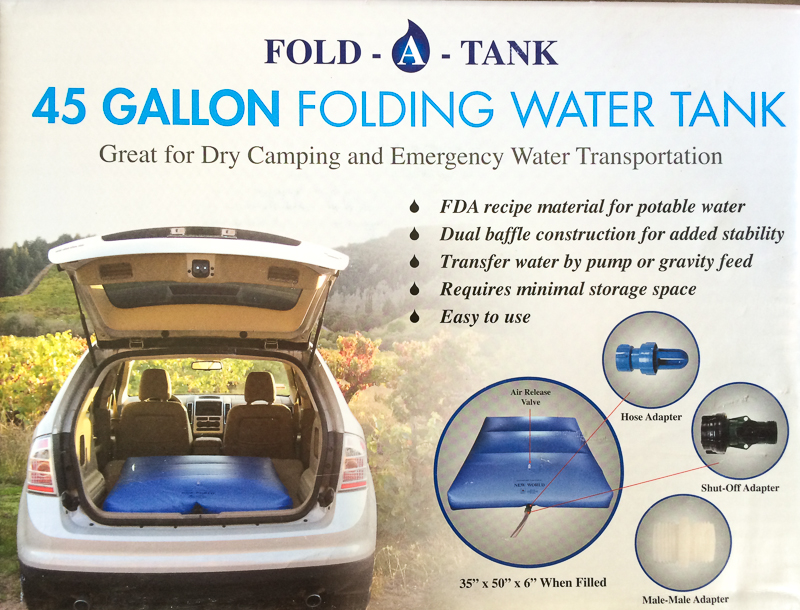
New World 45 Gallon Fold-A-Tank: 10 Year Review

Imagine. You’re at a campsite with no water available and your camper is getting low on water and you still have a week of your trip ahead of you. What can you do?

One option is to close up the camper and drive to a water source: pack up any loose items inside, retract any slide outs, roll-up your awning, disconnect any items such as a propane grill, hitch up the tow vehicle and drive to a water source. Once your campers water tank is full, you will drive back to your campsite and set up everything again.

There’s a better way.

Continue reading New World 45 Gallon Fold-A-Tank: 10 Year Review

Organizing Backpacking Gear and/or a Camper

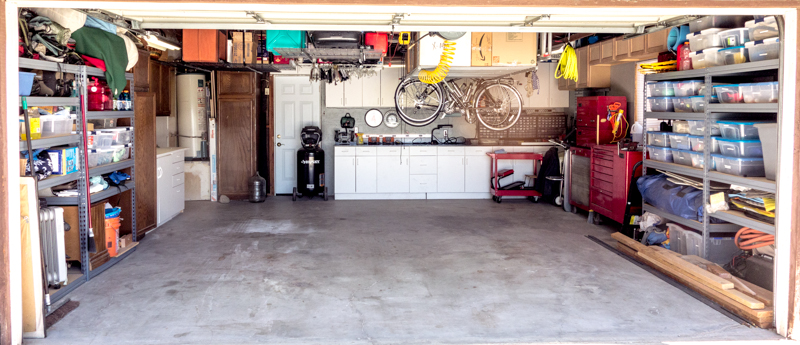
Backpacking gear stored in large plastic bins located on the shelves at the right of the picture.

Organizing all my backpacking, camping, boating and other gear has always been less than ideal. The biggest issue was the bins were large and it was a hassle to locate the one item I needed.

As it turns out, the solution was simple.

Continue reading Organizing Backpacking Gear and/or a Camper

I’m Done With DCF (aka Cuben Fiber)

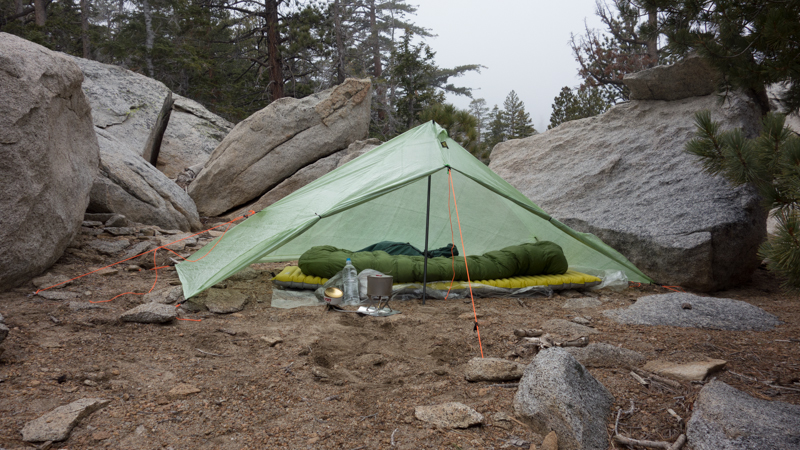
Six Moon Designs Deschutes Carbon Fiber Shelter (April 2015)

Cuben Fiber (now called DCF) is a non-woven laminate fabric developed by the Cuben Tech Corporation in the early 90’s for the sails on racing yachts. In 1992 America3 won the America’s Cup Race using sails of Cuben Fiber.

In the mid to late 2000’s a few cottage industry backpacking gear companies started selling shelters and backpacks made from Cuben Fiber. The fabric has high tensile strength and is extremely light. But it has some important disadvantages. Most of which is my concern that  it really isn’t very durable and has a short lifespan.

So the question becomes, is DCF worth the cost?

I’m not throwing away my DCF gear, but when items wear out, which they will, I will be replacing them with something else.

Continue reading I’m Done With DCF (aka Cuben Fiber)

When & How to Replace an RV Smoke Alarm

Earlier this month I shared the story of the RV fire I witnessed. This served as a reminder that fire extinguishers, propane/CO detectors and smoke alarms need periodic inspection, maintenance and end of life replacement.

Yesterday I posted an article on When and How to Replace an RV Propane/CO Detector. As promised in that post, this is a companion article on smoke alarms.

Continue reading When & How to Replace an RV Smoke Alarm

When & How to Replace RV Propane/CO Detector

RV manufacturers have been required to install Propane/CO detectors for many years. 

Our 1992 Starcraft Meteorite tent trailer did not have one. I installed one that also included a solenoid that shut off the propane near the tanks. Both our 2006 Fleetwood Niagara tent trailer and our Eclipse Milan travel trailer came with propane and carbon monoxide (CO) detectors. Nowadays it is rare to see a detector that includes a shut-off solenoid.

These need to be replaced periodically. Most RV manufacturers include the owner manuals for every single appliance and other equipment installed. These are separate from the RV’s owner manual. Our Milan came with over a dozen manuals. Most people don’t read them. And if they do, there’s a good chance they have become misplaced or lost over time.

So let’s go over some information about these devices and a quick documentation of a replacement unit.

Continue reading When & How to Replace RV Propane/CO Detector